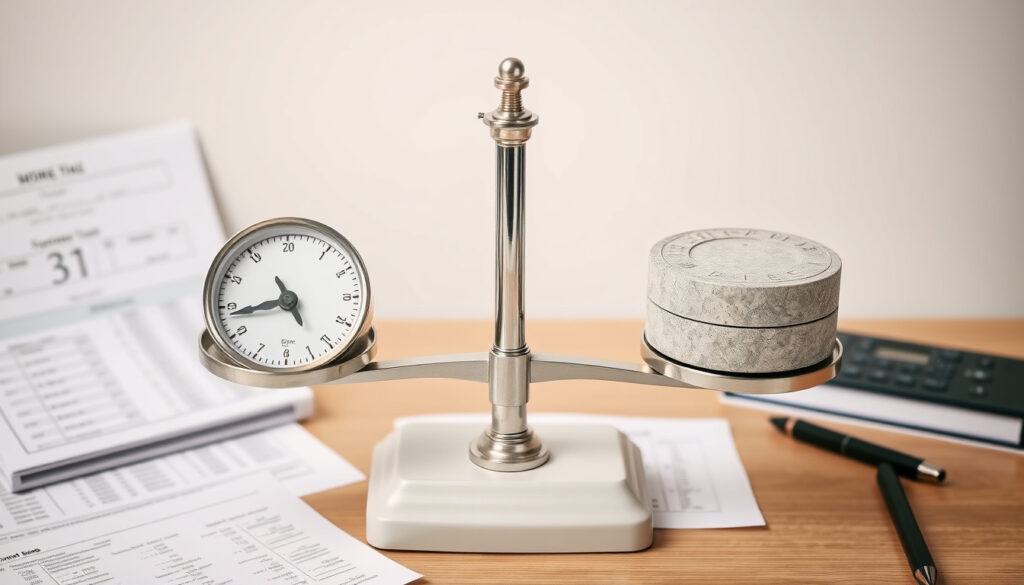
Convert Kilos to Stones – Precise Formulas and Tables
Converting between kilograms and stones remains a common requirement for anyone tracking body weight in the United Kingdom. While the metric system dominates most of the world, stones and pounds continue to serve as the preferred unit for personal weight measurement across Britain. This guide provides precise conversion formulas, practical tables, and the mathematical background needed to transform any kilogram value into stones and pounds accurately.
The conversion relies on one fundamental fact: one stone equals exactly 6.35029318 kilograms or 14 pounds. This precise figure, confirmed across multiple official sources including university mathematics departments and NHS documentation, ensures that conversions remain consistent whether performed manually or through digital tools.
How to Convert Kilograms (kg) to Stones and Pounds
Understanding the mathematical relationship between kilograms and stones forms the foundation of all weight conversions. The process involves dividing the kilogram value by the precise conversion factor and then extracting the whole stone count before calculating any remaining pounds.
The Step-by-Step Conversion Method
To convert kilograms to stones and pounds manually, follow this two-stage process. First, divide the kilogram value by 6.35029318 to obtain the total stone figure. The whole number portion represents complete stones, while the decimal remainder requires further calculation.
For the remaining decimal portion, multiply by 14 to determine pounds. Alternatively, some prefer converting kilograms to pounds first by dividing by 0.45359237, then dividing the total pounds by 14 to extract stones, with any remainder representing the final pound value.
The complete formulas break down as follows: Stones = kg ÷ 6.35029318, and for combined stones and pounds, Remaining pounds = (kg ÷ 6.35029318 minus whole stones) × 14. NHS weight charts confirm these methods align with official healthcare conversion standards.
- Formula precision matters: Using 6.35029318 rather than rounded values ensures accuracy within clinical and personal tracking contexts
- Rounding decisions: Medical settings typically use one decimal place, while fitness applications often round to whole stones or nearest half stone
- Pounds component: The stone-plus-pounds format (such as 10 stone 8 pounds) remains standard across UK health documentation and personal scales
- Reverse calculation: Kilograms = stones × 6.35029318 provides the inverse conversion with identical precision
- Quick reference: Multiplying kilograms by 0.157473 yields the stone equivalent directly for everyday use
| Kilograms | Total Stones | Stones and Pounds |
|---|---|---|
| 50 kg | 7.87 | 7 stone, 12.2 lb |
| 55 kg | 8.66 | 8 stone, 9.2 lb |
| 60 kg | 9.45 | 9 stone, 6.3 lb |
| 65 kg | 10.24 | 10 stone, 3.4 lb |
| 70 kg | 11.02 | 11 stone, 0.3 lb |
| 75 kg | 11.81 | 11 stone, 11.3 lb |
| 80 kg | 12.60 | 12 stone, 8.4 lb |
| 85 kg | 13.39 | 13 stone, 5.4 lb |
| 90 kg | 14.17 | 14 stone, 2.4 lb |
| 95 kg | 14.96 | 14 stone, 13.4 lb |
| 100 kg | 15.75 | 15 stone, 10.5 lb |
These figures align with published conversion data from health sector resources including NHS weight charts and university mathematics fact sheets. The table covers the most frequently searched kilogram values for body weight conversion.
Common kg to Stone Conversions (50-100 kg)
Beyond the standard range, several specific values warrant additional attention due to their frequency in health and fitness contexts. Medical professionals, fitness coaches, and individuals tracking weight changes frequently search for these particular conversions.
Popular Conversion Examples
The 60 kilograms mark represents a frequently searched value, equating to approximately 9 stone and 6 pounds. This figure often appears in body mass index calculations and target weight discussions. For reference, 60 kg converts to 9.45 total stones when using the precise formula.
Seventy kilograms corresponds to 11 stone and a small fraction of a pound—approximately 11 stone and 0.3 pounds. This conversion demonstrates how slight decimal variations occur even at whole-number kilogram inputs, reinforcing the importance of using the full precision figure during calculations.
One hundred kilograms translates to 15 stone and approximately 10.5 pounds. This value commonly appears in bariatric discussions and when tracking significant weight loss journeys. The table shows 100 kg as 15.75 total stones, maintaining consistency across all calculation methods.
Healthcare professionals typically round conversions to the nearest 0.1 stone for clinical documentation. Personal scales often display to the nearest 0.1 or 0.2 stone, reflecting the practical tolerance of body weight fluctuation throughout any given day.
Values Below 50 kg and Above 100 kg
For lighter weights, 55 kg converts to 8 stone and 9.2 pounds, a figure commonly referenced in adolescent health contexts and smaller adult frames. Values below this range, such as those found in NHS charts starting at 44.5 kg, follow the same conversion principles with consistent accuracy.
Heavier conversions including 98 kg (15 stone, 6 pounds), 110 kg (17 stone, 4.5 pounds), and 120 kg (18 stone, 12.6 pounds) follow the identical formula. These higher values frequently appear in weight management programmes and bariatric aftercare.
How to Convert Stones to Kilograms
Reversing the conversion process requires multiplying the stone value by 6.35029318. This straightforward calculation provides the kilogram equivalent, maintaining the same precision standard as the forward conversion.
For combined stone and pound values, first multiply the stone component by 6.35029318, then add the pound component multiplied by 0.45359237. This two-part formula handles the full range of UK weight notation accurately. The calculation (Stones × 6.35029318) + (Pounds × 0.45359237) produces the complete kilogram value.
For example, 10 stone 12 pounds calculates as (10 × 6.35029318) + (12 × 0.45359237) = 63.5029318 + 5.44310844 = 68.94604024 kg, which rounds appropriately based on the required precision level.
Those interested in comparing specific values may find the article on 8 stone in kg provides additional context for common weight comparisons.
Common Stone Values in Kilograms
| Stones and Pounds | Kilograms |
|---|---|
| 10 stone 0 lb | 63.50 kg |
| 10 stone 12 lb | 68.95 kg |
| 11 stone 0 lb | 69.85 kg |
| 11 stone 10 lb | 74.39 kg |
| 12 stone 0 lb | 76.20 kg |
| 15 stone 0 lb | 95.25 kg |
These reverse conversions demonstrate the symmetry between the two measurement systems and provide reference points for those more familiar with stone-based weight descriptions.
Understanding the Conversion Factors
The precision of weight conversion factors raises practical questions about when exact values matter and when rounded approximations suffice. This comparison clarifies what remains fixed versus what allows flexibility in real-world applications.
| Established Information | Where Flexibility Applies |
|---|---|
| 1 stone = 6.35029318 kg (exact) | Medical rounding to 0.1 stone |
| 1 stone = 14 pounds (exact) | Fitness rounding to nearest 0.5 stone |
| 1 kg = 2.20462 pounds (defined) | Personal scale display tolerances |
| Formula consistency across all values | Decimal place selection for context |
Never mix calculation methods within the same conversion. Using full precision for the initial division and then switching to rounded values mid-calculation introduces cumulative error that affects the final result.
Why Use Stones? UK Weight Context
The stone as a weight unit holds deep roots in British history, originally varying between 5 and 40 pounds depending on commodity and region. Standardisation occurred gradually, with the current 14-pound measure established by the Weights and Measures Act of 1835.
Today, stones remain the customary unit for measuring personal body weight throughout the United Kingdom and Ireland. NHS health charts display weight in stones and pounds, GP records often reference stone-based measurements, and personal conversations about weight typically use this format.
This cultural persistence means that anyone engaging with UK healthcare, fitness services, or personal weight management encounters stones as the primary unit. The metric system has made inroads in other areas—food packaging, road distances, milk sales—yet body weight measurement remains firmly rooted in the imperial tradition.
For those unfamiliar with stones, the conversion becomes essential when accessing UK health resources, communicating with British healthcare providers, or understanding fitness content from UK-based sources. The persistence of this measurement system reflects both cultural attachment and practical familiarity accumulated over generations.
Official Reference Sources
Multiple authoritative sources confirm the conversion factors used throughout this guide. University mathematics departments, NHS trusts, and healthcare organisations maintain consistent values across their published materials.
The calculation 1 stone = 6.35029318 kg appears consistently across official documentation from the NHS, University of Manchester mathematics resources, and York St John University study skills materials.
NHS charts from University Hospitals Sussex NHS Foundation Trust and Healthy Weight Grampian provide practical conversion tables covering the full range of clinical weight measurements. These resources serve healthcare professionals conducting malnutrition screening and weight management consultations.
The conversion formulas presented here align with those verified by these institutional sources, ensuring accuracy whether calculations serve clinical, fitness, or personal tracking purposes.
Summary
Converting between kilograms and stones requires understanding that one stone equals exactly 6.35029318 kilograms. The conversion formula—dividing kilograms by 6.35029318 for stones, then multiplying any remainder by 14 for pounds—provides consistent results across all weight ranges.
For practical applications, rounding to one or two decimal places typically suffices, though clinical contexts may demand additional precision. The reverse calculation—multiplying stones by 6.35029318—enables conversions in either direction with identical accuracy.
Those working with height and weight combinations may find additional value in related conversion resources, such as the article on 1.63 m in feet, which covers complementary measurement conversions.
Frequently Asked Questions
What is 11 kilos in stones?
Eleven kilograms equals approximately 1 stone and 11.4 pounds (1.73 stones total). This calculation uses the formula 11 ÷ 6.35029318 = 1.7326 stones, with the decimal portion (0.7326) converting to 10.26 pounds.
How much is 120 kilos in stones?
One hundred twenty kilograms converts to approximately 18 stone and 12.6 pounds (18.90 stones total). The calculation divides 120 by 6.35029318 to obtain the total stone figure, then extracts the pounds remainder.
What is 97 kilos in stones?
Ninety-seven kilograms equals approximately 15 stone and 4.4 pounds (15.28 stones total). The precise calculation yields 97 ÷ 6.35029318 = 15.2751 stones, with the fractional portion representing the pounds component.
How many kilograms is 15 stones?
Fifteen stones equals 95.25 kilograms. This calculation multiplies 15 by the precise conversion factor: 15 × 6.35029318 = 95.2543977 kg, which rounds appropriately based on context.
Is 1 kg more or less than 1 stone?
One kilogram is less than one stone. Since one stone equals 6.35029318 kg, any kilogram value below that figure represents less than one stone. For reference, 1 kg equals approximately 0.157 stones.
Why does the UK use stones instead of kilograms for body weight?
Cultural tradition and historical familiarity explain the continued use of stones for body weight in the UK. Despite metrication efforts, personal weight measurement remains rooted in imperial units, with NHS services, GP consultations, and everyday conversations consistently using stones and pounds.
What is the most accurate way to convert kg to stones?
The most accurate method uses the full precision figure of 6.35029318 as the divisor. Dividing the kilogram value by this number, then multiplying any decimal remainder by 14 produces the combined stones and pounds result. Avoiding premature rounding during intermediate steps maintains accuracy.
More related posts
 James Van Der Beek – Cause of Death, Family and Career
 Cardigan Womens – Best Brands, Lengths and Fabrics for 2025
 Euro to Pound Exchange Rate – Live Rates and Converter
 Kelly Rowland – Biography, Net Worth and 2025 Update
 Toyota Faulty Display Recall – Check If Your Vehicle Is Affected Now
 Kira Cousins – The Fake Baby Hoax Explained
 Motorhomes for Sale Near Me – Dealers, Prices & Buying Tips
 Sri Lanka – Capital, Religion, Language, and Key Facts
