Isle of Man TT – 2024 Results History Safety Guide
The Isle of Man TT represents one of motorsport’s most extreme endurance tests, threading 37.73 miles of public roads through the island’s mountain terrain at speeds exceeding 200 mph. Held annually since 1907, the event draws thousands of spectators despite its notorious fatality rate, establishing itself as a benchmark for motorcycle road racing worldwide.
What began as a reliability trial to promote tourism on the small British Isle has transformed into a two-week festival of speed, featuring multiple racing classes and generating significant economic activity for the island’s residents. The TT occupies a unique position in motorsport culture, simultaneously celebrated as a pinnacle of rider skill and criticized for its unforgiving nature.
This article examines the Isle of Man TT’s history, current status, safety record, and practical information for those interested in witnessing the event firsthand or understanding its significance in the racing world.
What is the Isle of Man TT?
The Isle of Man TT (Tourist Trophy) is an annual motorcycle road racing event held on public roads surrounding the Isle of Man, a self-governing British Crown dependency located in the Irish Sea. Since its inaugural race in 1907, the event has grown from a promotional reliability trial into one of the most prestigious and dangerous motorcycle competitions in the world.
The abbreviation “TT” stands for Tourist Trophy, a name chosen to link the racing event with the island’s tourism industry during the early 20th century. Competitors race along the Snaefell Mountain Course, a loop starting and ending in Douglas, the island’s capital, and passing through rural villages and open mountain terrain.
- The event runs for approximately two weeks each year, typically from late May through early June
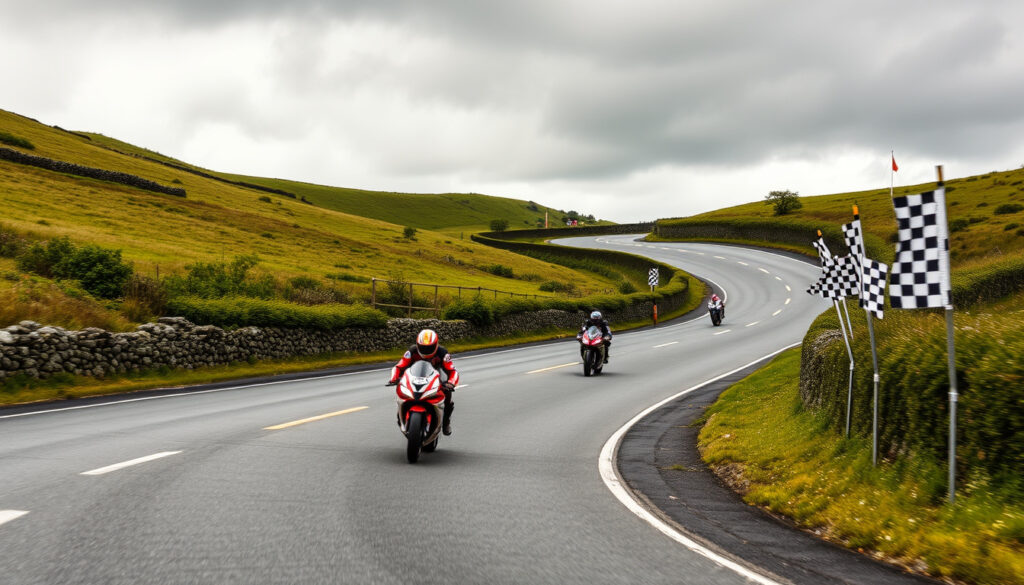
- Races are held entirely on public roads closed specifically for the event, not a purpose-built racing circuit
- Speeds on the Sulby Straight section regularly exceed 200 mph
- The 2024 event was completed without any fatalities during official TT races
- Total rider fatalities on the TT Mountain Course exceed 260 since 1907
- The course features stone walls, telegraph poles, and roadside hazards with no run-off areas
- Annual attendance generates substantial tourism revenue for the Isle of Man economy
| Fact | Details |
|---|---|
| Total Fatalities | >260 since 1907 |
| Course Length | 37.73 miles (60.72 km) |
| Top Speed Record | >200 mph |
| Classes | Superbike, Supersport, Sidecar, Mountain TT |
| 2024 Winner (Senior TT) | Davey Todd |
| 2024 TT Deaths | 0 |
| Fatality Rate (per finishes) | 1.62% |
Why is the Isle of Man TT So Dangerous?
The Isle of Man TT holds the unenviable distinction of being recognized as the deadliest motorcycle racing event in the world. The combination of extreme speeds, unforgiving infrastructure, and the use of public roads creates conditions that no purpose-built racing circuit could replicate.
The Architecture of Risk
Unlike modern racing circuits designed with safety as a primary consideration, the Mountain Course threads through ordinary streets and mountain roads. Stone walls line countless sections of the track, standing just inches from the racing line. Telegraph poles, buildings, and other permanent structures occupy the roadside with no run-off zones to absorb the energy of a crash. A rider who loses control at 200 mph effectively strikes a solid object at racing speed with little opportunity for survival.
The course itself presents navigational challenges that demand constant attention. Tight bends follow long straights, forcing riders to brake heavily before corners that appear suddenly around hillcrests. Elevation changes throughout the mountain section reduce visibility and affect braking performance. The road surface varies in grip levels, with different traction on shaded sections versus sun-exposed areas.
Wikipedia’s documented records track 281 deaths (265 riders and 16 non-riders) across TT and Manx Grand Prix events on the course. By 1972, the combined death toll had reached 100 riders. The fatality rate calculated against 17,355 race finishes stands at approximately 1.62%, though this figure varies depending on calculation methodology.
Safety Evolution and Limitations
Event organizers have implemented numerous safety measures over the decades. Mandatory helmet requirements date to the early 1900s. Certain hazardous buildings along the course have been removed, and specific sections have been rerouted to avoid the most dangerous features. Despite these improvements, the fundamental nature of the course places hard limits on how much the risk environment can be modified.
The 1970s represented a watershed moment for rider attitudes. By that point, over 100 riders had died on the course, prompting legendary racer Giacomo Agostini to retire from the TT following a friend’s fatal crash. His public statement that the racing had become “too dangerous” crystallized growing concerns within the racing community, though the event continued and continues to attract participants willing to accept the risks.
The 2024 Isle of Man TT concluded without any fatalities during official race events. One death occurred during Manx Grand Prix qualifying, a separate amateur competition held on the same course. This distinction between TT and Manx Grand Prix fatalities is important for understanding the specific safety record of each event.
What Are the Latest Isle of Man TT 2024 Results and Schedule?
The 2024 Isle of Man TT took place during its traditional late May to early June window, though weather disruptions affected scheduling throughout the event. The racing concluded successfully with the Senior TT final bringing the two-week festival to a close.
2024 Race Winners and Standout Performances
Davey Todd emerged as the 2024 Senior TT winner, claiming victory in the event’s premier solo class. The Northern Irish rider had established himself as a consistent podium contender in previous years, with his 2024 Senior TT triumph representing a career-defining achievement at the Mountain Course.
Multiple classes featured competitive racing across the two-week schedule. Superbike, Supersport, and Sidecar categories each awarded their respective winners during the event. Weather delays affected several sessions throughout the schedule, with organizers postponing races rather than shortening the program.
Event Schedule and Typical Format
The Isle of Man TT occupies approximately two weeks annually, with practice and qualifying sessions occupying the opening days before racing commences. The schedule typically includes morning and afternoon sessions, allowing multiple classes to complete their events each day.
Road closures affect communities throughout the island during the event period. Local residents factor these closures into daily planning, while visitors should verify specific closure times when organizing their itineraries. Camping areas near the course attract many spectators who prefer immersive access to the racing action.
Specific 2025 dates had not been confirmed at the time of this article’s research. The event typically falls between late May and early June each year. Visitors should consult the official Isle of Man TT website for confirmed scheduling information as each year’s event approaches.
How Long is the Isle of Man TT Course and How to Watch Live?
The Snaefell Mountain Course spans 37.73 miles (60.72 kilometers), making it substantially longer than any purpose-built motorcycle racing circuit. The loop connects Douglas on the island’s eastern coast with Ramsey in the north, traversing the mountain interior along roads that range from wide urban streets to narrow rural lanes.
Course Features and Sections
The course divides into distinct sections that riders memorize and approach with specific techniques. The Sulby Straight in the northern section delivers the highest speeds, where experienced riders regularly achieve runs exceeding 200 mph. The mountain section presents the greatest technical challenge, with elevation changes, limited visibility at hillcrests, and the tightest corners on the entire loop.
Villages along the route— including Ballacubbin, Glen Moss, and others— feature street sections where speeds drop dramatically before climbing again on the open roads between communities. The course passes through Sulby, the fastest section, before descending toward the finish line in Douglas. Each lap requires competitors to navigate the entire route without interruption, with no pit stops or refueling opportunities during solo races.
Live Viewing and Broadcasting Options
Those unable to attend in person can access live coverage through multiple channels. The official event website streams races directly, often with multiple camera angles providing views of different course sections. YouTube channels associated with the event provide additional coverage, with highlights and analysis available following each race day.
UK-based television coverage through ITV has provided broadcast access in previous years, though specific broadcasting arrangements vary by season. International viewers should verify regional availability through their local sports broadcasters or the official event streaming platform.
Attending the Event
Tickets and accommodation on the Isle of Man book rapidly once the annual schedule is announced. The island’s limited accommodation capacity means that visitors should plan well in advance, particularly for the race days themselves. Camping facilities near the course provide the most direct access to viewing areas, though temporary accommodation options across the island suit those preferring indoor lodging.
Spectators should understand that viewing positions along the Mountain Course require walking significant distances from parking areas. The public roads nature of the venue means that crowds gather wherever safe viewing positions exist, with popular spots filling early on race days. First-time visitors benefit from arriving at their preferred viewing location well before race times.
Riders completing the Mountain Course at competition speeds leave minimal margin for error. Historical incidents have demonstrated that spectator positioning carries real risk, particularly at corners where crashes may project debris beyond the racing line. Following marshal instructions and maintaining appropriate distance from barriers protects both individual safety and the ability of emergency services to respond.
The Evolution of the Isle of Man TT
The history of the Isle of Man TT reflects broader transformations in motorcycle racing technology, competitive standards, and attitudes toward risk. Understanding this evolution contextualizes the event’s current position within motorsport culture.
- 1907: The inaugural TT race takes place as a reliability trial, establishing the foundation for what would become motorcycle road racing’s most demanding challenge.
- 1911: Oliver Godfrey becomes the first Senior TT winner, setting early precedent for international competitors seeking TT victories.
- 1920s: Speeds exceed 100 mph for the first time, signaling the TT’s transition from endurance testing toward pure racing competition.
- 1950s: Lap records reach 108 mph during the event’s peak popularity era, with spectator attendance growing substantially.
- 1972: The cumulative death toll reaches 100 riders across TT and Manx Grand Prix events, prompting Giacomo Agostini’s retirement and intensifying safety debates.
- 2000s–2010s: Modern stars including Bruce Anstey (12 wins), Ian Hutchinson (16 wins, first to win all five solo classes in 2010), and the Dunlop racing lineage dominate the results.
- 2024: The TT completes without fatalities during official race events, marking a significant safety milestone.
What We Know and What Remains Uncertain
Several aspects of the Isle of Man TT remain clearly established through documentation and official records, while others depend on factors that resist definitive prediction.
| Established Information | Remaining Uncertainty |
|---|---|
| 2024 Senior TT winner: Davey Todd | Specific 2025 scheduling (typically May-June) |
| Total rider fatalities exceed 260 since 1907 | Long-term attendance and economic projections |
| Course length: 37.73 miles | Weather conditions affecting future events |
| 2024 TT race fatalities: 0 | Potential future safety modifications |
| Event held annually since 1907 | Impact of emerging racing alternatives |
| Official broadcasting via iomtt.com | International broadcast expansion plans |
The Cultural and Economic Significance of the Isle of Man TT
Beyond its status as a motorsport competition, the Isle of Man TT serves as a significant economic engine for the island and a cultural touchstone for motorcycle racing enthusiasts worldwide. The event attracts visitors from across the globe, many returning annually as part of a pilgrimage to witness road racing at its most demanding.
The economic impact extends through the island’s hospitality sector, with hotels, guesthouses, restaurants, and retail businesses benefiting from the concentrated two-week influx of visitors. While precise revenue figures vary by source, the event’s importance to the Isle of Man’s tourism economy is widely acknowledged within the island’s business community.
Comparisons between the TT and other major racing events reveal meaningful differences in character and risk profile. Purpose-built circuits like those used in MotoGP feature extensive run-off areas, energy-absorbing barriers, and medical facilities designed specifically for racing emergencies. The Mountain Course offers none of these protections, placing the burden of survival entirely on rider skill and luck.
Key Sources and Official Statements
Giacomo Agostini, upon retiring from TT competition following a friend’s fatal crash: “The Isle of Man TT has become too dangerous.”
— As documented in historical racing records, 1972
Official information regarding schedules, results, and entry procedures derives primarily from the Isle of Man TT Official Website (iomtt.com). The Automotive Club de l’Ouest (ACU) provides regulatory oversight for racing events, while the Isle of Man Government’s dedicated TT races division handles event licensing and public safety coordination.
The comprehensive IOMTT database, which has analyzed over 17,355 race finishes, serves as the authoritative source for historical statistics including lap records, finishing positions, and fatality documentation. Wikipedia’s Isle of Man TT article, despite its open-editing model, provides substantial citation to official records and serves as a useful starting point for researchers.
Key Takeaways
The Isle of Man TT stands as a unique intersection of motorsport tradition, extreme risk, and cultural significance that no other event replicates. The 37.73-mile Mountain Course demands levels of skill and commitment from competitors that purpose-built circuits cannot test, while the event’s infrastructure limitations ensure that danger remains intrinsic rather than incidental.
For those interested in exploring how the Isle of Man TT compares to other major motorcycle racing events, the Bayern Munich vs Celtic F.C. Timeline – Full Head-to-Head Record provides context on how sporting traditions develop across different competitive formats.
Those planning to attend future events should monitor official channels for scheduling announcements, book accommodation well in advance, and approach spectator positioning with clear understanding of the risks inherent in watching high-speed racing along public roads. The event rewards preparation and punishes improvisation.
Frequently Asked Questions
Is the Isle of Man TT cancelled?
No. The 2024 Isle of Man TT was held as scheduled, completing all race events. While individual sessions faced weather-related postponements, the overall event proceeded normally. The event has been held annually since 1907 without interruption.
What does TT stand for in Isle of Man TT?
TT stands for Tourist Trophy. The name was chosen when the event began in 1907 to connect the motorcycle races with the island’s tourism promotion efforts, using speed trials as a mechanism for attracting visitors.
How many people have died at the Isle of Man TT?
Total rider fatalities on the TT Mountain Course exceed 260 since 1907, including both TT and Manx Grand Prix events. Wikipedia’s documented count records 281 deaths (265 riders and 16 non-riders). The 2024 TT itself recorded zero fatalities.
How long is the Isle of Man TT course?
The Snaefell Mountain Course measures 37.73 miles (60.72 km), making it one of the longest racing circuits in the world. The course loops from Douglas through the island’s mountain interior, returning to the capital via the northern coast.
When is the Isle of Man TT 2025?
Specific 2025 dates had not been confirmed at the time of this article’s research. The event typically occurs between late May and early June each year. Check the official Isle of Man TT website for confirmed scheduling information.
Who won the 2024 Senior TT?
Davey Todd won the 2024 Senior TT, the event’s premier solo motorcycle class. The Northern Irish rider secured this victory during a year when the TT completed without fatalities during official race events.
How can I watch the Isle of Man TT live?
Live streaming is available through the official website at iomtt.com, with additional coverage on YouTube channels associated with the event. UK viewers can access television broadcasts through ITV. International viewers should verify regional availability through official channels.
Why is the Isle of Man TT so dangerous?
The combination of extreme speeds exceeding 200 mph, the use of public roads with permanent hazards including stone walls and poles, and the absence of run-off areas creates conditions that no safety innovation can fully mitigate. The course has claimed over 260 rider lives since 1907.
More related posts
 Jac Morgan – Wales Captain’s Career, Family & Latest News
 Paul Gascoigne – 2025 Net Worth, New Book and Recovery
 Bon Scott – Life, Death, and Legacy of AC/DC’s Iconic Frontman
 Trey Parker – Net Worth, Wife, Movies and Biography
 Sally Bretton – Verified Facts on Age, Husband, and Net Worth
 Amy Cudden – English Actress, Director, and Teacher
 Rebecca Zamolo – Biography Net Worth and YouTube Career
 Light Switch – Complete UK Wiring, Types & Buying Guide
