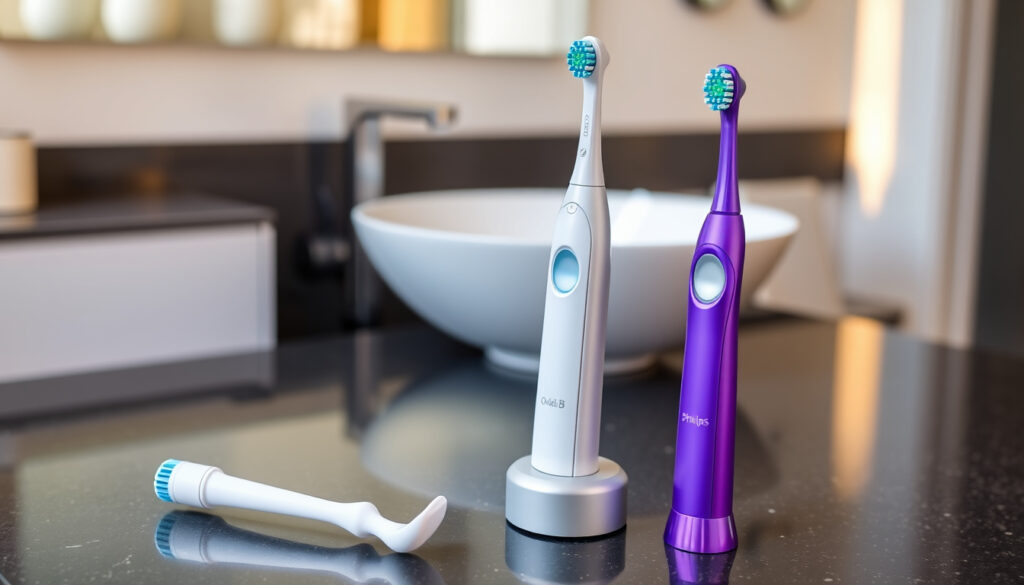
Electric Toothbrush – Oral-B vs Philips 2025 UK Guide
Choosing the right electric toothbrush in 2025 often comes down to two brands: Oral‑B and Philips Sonicare. Prices vary widely between UK retailers like Boots, Tesco, Amazon, Superdrug, and Argos, and features such as pressure sensors, battery life, and replacement head costs can influence the decision. This guide compares the leading models, highlights what to look for, and explains where to find the best deals.
The UK market is dominated by Oral‑B (Procter & Gamble) and Philips Sonicare. Both brands are backed by decades of clinical research and are consistently recommended by dentists. The choice between them is rarely about a clear winner; it is about matching the brush to your brushing style, gum sensitivity, and budget.
Independent and dentist‑led buying guides agree that the most important features are a rechargeable handle, a built‑in timer, a small brush head, and medium‑stiff bristles. Extra gimmicks matter less than these basics. Pressure sensors are repeatedly highlighted as valuable because they help prevent brushing too hard and protect gums.
Which Electric Toothbrush Is Best: Oral‑B or Philips Sonicare?
Pressure sensor, travel case, 2 heads, long battery. Best for most adults.
20x more plaque removal, dentist‑recommended No.1 brand.
Kid‑friendly models from Oral‑B and Philips. Look for soft bristles, small heads, fun designs.
Compare prices at Boots, Tesco, Amazon, Superdrug, Argos. £20‑£150 range.
- Pressure sensors prevent gum damage — look for models with visible or haptic feedback.
- Battery life varies from 7 days to 3 weeks — Oral‑B iO3 has 2 weeks typical, Philips often offers longer.
- Replacement heads cost £5‑£10 each; change every 3 months for best plaque removal.
- Dentists overwhelmingly recommend electric over manual for plaque reduction and gum health.
- Oral‑B usually has cheaper replacement heads, making long‑term ownership less expensive.
- Philips Sonicare is generally quieter, which some users prefer for a more comfortable routine.
| Feature | Oral‑B iO3 | Philips Sonicare 7100 |
|---|---|---|
| Pressure Sensor | Yes | Yes |
| Battery Life | ~2 weeks | ~3 weeks |
| Travel Case | Included | Optional |
| Heads per pack | 2 included | 1 included |
| UK Price guide | £40‑£60 | £60‑£90 |
| Best for | Value, all‑round | Gum health, stain removal |
Both brands improve oral health compared with manual brushing, and there is no universal clinical winner between them. The best pick depends more on pressure sensor quality, brush head preference, and running cost.
What Is the Best Electric Toothbrush for Kids?
For children, the same core features matter, but the priority shifts toward a smaller head, a gentle cleaning mode, a timer, and a pressure sensor if the child brushes hard. Easy‑to‑find replacement heads are also important because children’s brushes need more frequent replacement.
What age can a child use an electric toothbrush?
Most dentists suggest children can start using an electric toothbrush around age three, provided they are supervised. The brush should have soft bristles and a small head to fit comfortably in a child’s mouth.
Are electric toothbrushes safe for children’s gums?
Yes, when used correctly. Electric toothbrushes with a gentle mode and a pressure sensor are especially safe because they reduce the risk of over‑brushing. Both Oral‑B and Philips make specific kids’ models with softer bristles and fun designs to encourage consistent use.
The most practical choice is usually the brush the child will actually use consistently. Look for a model with a timer to help them brush for the full two minutes, and check that replacement heads are available at your local Boots or Superdrug.
Where to Buy an Electric Toothbrush Online in the UK (Boots, Tesco, Amazon, Superdrug, Argos)
Prices can vary sharply by retailer and by promotions. The main UK stores to compare are Boots, Tesco, Amazon, Superdrug, and Argos. Oral‑B entry models can start around £18–£35, with iO models rising to £40–£60. Philips Sonicare starter models are typically £40–£60, with mid‑range options like the ProtectiveClean or 4100 often priced higher.
Replacement heads are another cost consideration. Oral‑B heads are usually cheaper, around £3–£8 each, while Sonicare heads are often £7–£15 each. This difference can add up over the life of the brush.
Because shelf prices change frequently, it is worth checking all five retailers before buying. Amazon often has competitive pricing, but Boots and Superdrug may offer bundle deals that include extra heads or a travel case. Argos and Tesco are convenient for click‑and‑collect.
What Features Should I Look for in an Electric Toothbrush?
What is a pressure sensor and do I need it?
A pressure sensor alerts you when you are brushing too hard, either by vibrating, changing the brush noise, or showing a light. Multiple sources treat it as one of the most useful non‑essential features, especially if you brush aggressively, have gum sensitivity, or are buying for a child.
How long does an electric toothbrush battery last?
Battery life varies widely. Oral‑B iO models typically last about two weeks on a full charge, while many Philips Sonicare models can reach three weeks. Exact performance depends on usage patterns, so manufacturer estimates are a guide rather than a guarantee.
Do all electric toothbrushes come with a travel case?
No. Travel cases are often included on mid‑range and premium models, but budget options may not include one. The Oral‑B iO3 includes a travel case, while the Philips Sonicare 7100 does not (it is optional). Check the product description before buying if you travel frequently.
Model families use different head types. Oral‑B round heads are not interchangeable with Philips Sonicare elongated heads. Always double‑check that replacement heads fit your specific brush model before ordering.
How Often Should I Replace the Head on My Electric Toothbrush?
Dentists recommend replacing the brush head every three months. The bristles wear down and become less effective at removing plaque. Many models have a reminder system, such as fading bristles or a timer, to help you keep track.
How do I clean an electric toothbrush handle?
Rinse the handle after each use and wipe it dry. Once a week, remove the brush head and clean the seal around the handle with a damp cloth to prevent mould or toothpaste buildup. Avoid submerging the handle in water.
What happens if I don’t change the brush head?
A worn head becomes less effective at plaque removal and can harbour bacteria. Over time, frayed bristles may also damage gums. Sticking to a three‑month replacement schedule is simple and inexpensive.
Is an Electric Toothbrush Really Better Than a Manual Toothbrush?
Yes, the evidence is consistent. Electric toothbrushes remove more plaque than manual brushes when used correctly. They also encourage better technique because the built‑in timer helps users brush for the full two minutes. Many people find them easier to use, especially those with limited mobility.
Does an electric toothbrush remove more plaque?
Clinical studies show that electric toothbrushes reduce plaque and gingivitis more effectively than manual brushing. The exact difference depends on the model and how consistently it is used. Both Oral‑B and Philips Sonicare have published studies supporting their claims.
Can an electric toothbrush improve gum health?
Yes. By removing more plaque, electric toothbrushes can reduce gum inflammation and bleeding. Pressure sensors also help prevent over‑brushing, which is a common cause of gum recession. Dentists consistently recommend electric brushes for gum health.
What Is the Recommended Replacement and Maintenance Schedule for an Electric Toothbrush?
- Day 0 – Open your new toothbrush. Charge fully before first use as per the manual.
- 3 months – Replace brush head. This is the dentist‑recommended interval.
- 6 months – Check battery performance. Clean the handle seal to prevent mould.
- 12 months – Consider full toothbrush replacement if the battery degrades significantly (e.g., cannot hold a full charge for a week).
- Ongoing – Rinse the head after each use and store the brush upright to air dry.
Does an Electric Toothbrush Really Remove More Plaque Than a Manual?
| Established information | Information that remains unclear |
|---|---|
| Electric toothbrushes remove more plaque than manual when used correctly. | Exact battery life depends on usage — manufacturer estimates may vary. |
| Pressure sensors reduce gum damage risk. | Clinical studies on ‘20x more effective’ claims should be reviewed with a dentist. |
| Replacement every 3 months is the industry standard. | Long‑term superiority of oscillating‑rotating (Oral‑B) vs sonic (Philips) is still debated among experts. |
What Is the UK Electric Toothbrush Market Landscape?
The electric toothbrush market in the UK is dominated by Oral‑B (P&G) and Philips (Philips Sonicare). Retailers like Boots, Tesco, Amazon, Superdrug, and Argos compete on price and bundle offers. The Telegraph’s 2025 guide points to the Philips Sonicare 7100 as a best‑value winner, while Amazon’s own storefront heavily promotes the Oral‑B iO3. For families, the kids segment is underserved by major retail category pages. Key differentiators now include pressure sensors, travel cases, and head replacement reminders — features that improve user experience and dental outcomes.
What Do Expert Sources and Dentists Say About Electric Toothbrushes?
“Philips Sonicare 7100 is not only a Best Buy, but also one of the Best Value electric toothbrushes on the market.”
— The Telegraph (2025 guide)
“Philips Sonicare electric toothbrushes – dentist‑recommended No.1 brand. 20x more effective, removing plaque and stains.”
— Philips UK
“Oral‑B iO3 Electric Toothbrush with Pressure Sensor, 2 Toothbrush Heads and Travel Case.”
— Oral‑B (via Amazon)
What Is the Best Electric Toothbrush to Buy in 2025?
For most adults, the Oral‑B iO3 offers the best balance of features and price, with a pressure sensor, travel case, and long battery. If you prioritise gum comfort and a quieter brushing experience, the Philips Sonicare 7100 is a strong alternative. For a wider range of options, see the Best electric toothbrush 2025 UK guide. And for a deeper side‑by‑side comparison, refer to the Oral‑B vs Philips Sonicare comparison.
Frequently Asked Questions
Can I use any electric toothbrush with braces?
Yes, most electric toothbrushes are safe with braces. Use a soft‑bristled head and brush gently around brackets.
Do electric toothbrushes work on sensitive teeth?
Yes, many models have a sensitive mode or soft bristles. Look for ones with a pressure sensor to avoid over‑brushing.
How long do electric toothbrush batteries last before needing replacement?
Most lithium‑ion batteries last 2‑3 years. If the brush doesn’t hold a charge for a full week, it’s time to replace.
Are all electric toothbrush heads the same size?
No. Oral‑B uses round heads; Philips uses elongated ones. Always use the correct brand head for your brush model.
Can I take an electric toothbrush in hand luggage?
Yes, but check airline rules for lithium‑ion batteries. Some may require it to be in carry‑on only.
What is the difference between oscillating‑rotating and sonic?
Oscillating‑rotating (Oral‑B) uses a round head that spins back and forth. Sonic (Philips) uses rapid vibrations. Both are effective, but some users prefer the feel of one over the other.
How do I know when to replace my electric toothbrush handle?
If the battery no longer holds a charge for a full week, or if the brush becomes noticeably less effective, it is time for a new handle.
Are electric toothbrushes worth the extra cost?
Most dentists say yes, because they remove more plaque and encourage better brushing habits. The long‑term savings on dental bills can offset the higher upfront cost.
Where can I buy replacement heads for Oral‑B and Philips in the UK?
Boots, Tesco, Amazon, Superdrug, and Argos all stock replacement heads. Oral‑B heads are generally cheaper and more widely available.
Do electric toothbrushes come with a timer?
Most modern electric toothbrushes include a built‑in timer, usually set to two minutes with 30‑second intervals. It is a standard feature on all models from Oral‑B and Philips.
More related posts
 Richard Armitage – Biography, Career, Movies and Personal Life
 Jhene Aiko – Biography, Age, Ethnicity, Family, Songs and Concerts
 Lemmy Kilmister – Complete Biography, Cause of Death, and Legacy
 Where to Watch Why Women Kill – UK Streaming Guide 2025
 Bible Verse – Daily Scripture, Strength, and Relationships
 Ronaldo Junior – Age, Height, Mother and Career
 Conor Benn vs Eubank Jr – Results, History & Next Fight
 Sri Lanka – Capital, Religion, Language, and Key Facts
