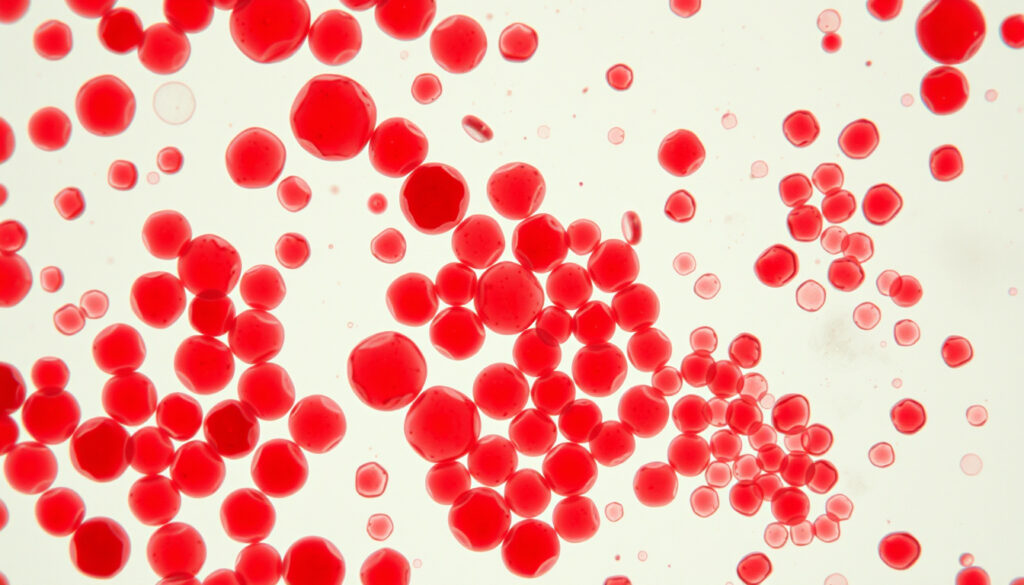
Red Blood Cell Count – Normal Range, High and Low Causes
A red blood cell count is one of the most frequently ordered blood tests in clinical practice. The test measures the number of oxygen-carrying cells in a sample of blood and forms a critical part of a complete blood count. Abnormal results—whether too high or too low—can signal underlying health conditions that warrant further investigation. Understanding what these numbers mean helps patients engage more meaningfully with their healthcare providers.
Red blood cells (erythrocytes) transport oxygen from the lungs to tissues throughout the body and carry carbon dioxide back for exhalation. When this process is disrupted, either because there are too few cells or because those cells are not functioning properly, symptoms can develop that affect energy levels, cognitive function, and overall wellbeing. The test provides objective data that clinicians use alongside physical examination and other findings to determine next steps in diagnosis or monitoring.
What Is a Normal Red Blood Cell Count?
Normal ranges differ between men and women due to physiological differences in oxygen demands and hormone influences. According to the NHS, adult men typically have between 4.0 and 5.9 × 10¹² cells per litre, while adult women fall within 3.8 to 5.2 × 10¹² cells per litre. These figures represent the midpoint of what laboratories consider healthy for most individuals, though slight variations between labs are common.
Normal ranges may differ slightly between laboratories and reference sources. Some sources cite slightly higher upper limits for men, reaching 6.2 × 10¹²/L. Always interpret your results based on the reference range provided by the testing laboratory.
- Red blood cells carry oxygen throughout the body using hemoglobin
- A low count frequently indicates anemia, which reduces oxygen delivery to tissues
- A high count may signal polycythemia, which thickens the blood and increases clotting risk
- The test is typically performed as part of a complete blood count
- Ranges vary by age, sex, and geographic location
| Group | RBC Count (×10¹²/L) | Hemoglobin (g/L) | Anemia Threshold |
|---|---|---|---|
| Adult Men | 4.6–6.2 | 120–160 | <100–136 g/L |
| Adult Women | 4.2–5.1 | 120–160 | <100–120 g/L |
| Children | 4.1–5.4 | 115–135 | ≤75 g/L hemoglobin |
Hemoglobin concentration runs closely parallel to RBC count in clinical assessment. The American Society of Hematology notes that anemia is defined not only by low RBC numbers but also by hematocrit values below 40% in men or 37% in women, or hemoglobin below established thresholds. When hemoglobin falls below 10.0 g/dL, symptoms often become noticeable.
What Causes a Low Red Blood Cell Count?
A low red blood cell count, medically termed anemia, develops through three primary mechanisms: reduced production of cells, blood loss, or destruction of existing cells. Each pathway has multiple underlying causes that clinicians investigate based on patient history and additional test results.
Nutritional Deficiencies
Iron deficiency represents the most common cause of anemia worldwide. According to the Mayo Clinic, inadequate iron intake, heavy menstrual bleeding, pregnancy, and conditions affecting nutrient absorption such as coeliac disease can all lead to iron-deficiency anemia. Vitamin B12 and folate deficiencies similarly impair red blood cell production by affecting cell division and maturation.
Blood Loss
Acute or chronic bleeding depletes the body’s red blood cell reserves. Sources of blood loss include traumatic injury, surgical procedures, gastrointestinal bleeding from ulcers or colorectal cancer, and heavy menstrual periods. The bone marrow can often compensate for gradual blood loss, but sudden or substantial bleeding overwhelms this capacity.
Reduced Production and Bone Marrow Disorders
Chronic kidney disease impairs the production of erythropoietin, the hormone that signals bone marrow to produce red blood cells. Inflammatory conditions, certain infections, malnutrition, and chemotherapy or radiation therapy can suppress bone marrow function. The Merck Manual notes that cancers affecting the bone marrow, including leukemia and multiple myeloma, directly compromise blood cell production.
Cell Destruction
Hemolytic anemia occurs when red blood cells break down faster than the body can replace them. Autoimmune disorders, certain infections, inherited conditions like sickle cell disease, and reactions to medications can trigger this process. Reticulocyte counts help distinguish between destruction and simple loss by indicating whether the bone marrow is appropriately increasing production.
What Are Symptoms of Low Red Blood Cell Count?
Symptoms of anemia reflect the body’s reduced capacity to deliver oxygen to tissues. The severity of symptoms typically corresponds to how quickly the anemia developed and how low the counts have fallen. Cleveland Clinic lists several characteristic manifestations that prompt patients to seek medical evaluation.
- Persistent fatigue and weakness that does not improve with rest
- Shortness of breath, particularly during physical activity
- Dizziness or lightheadedness, especially when standing quickly
- Headaches, which may worsen with exertion
- Pale or yellowish skin, most visible in the gums, nail beds, and lower eyelids
- Irregular heartbeat or awareness of a racing heart
- Cold hands and feet due to poor circulation
Some individuals with mild anemia experience few or no symptoms, with the condition discovered incidentally during routine blood testing. This underscores the value of preventive healthcare screening. During pregnancy, women are particularly susceptible to anemia due to increased blood volume and elevated iron demands for fetal development.
What Causes a High Red Blood Cell Count?
An elevated red blood cell count, termed polycythemia or erythrocytosis, thickens the blood and increases the risk of clotting. According to MedlinePlus, this condition develops through different mechanisms than anemia, with causes ranging from temporary dehydration to serious underlying disease.
Primary Bone Marrow Disorders
Polycythemia vera is a rare myeloproliferative disorder in which the bone marrow produces too many red blood cells independent of normal regulatory signals. This condition requires careful management as it significantly elevates the risk of blood clots, stroke, and heart attack. WebMD explains that the excess cells accumulate in the bloodstream, increasing blood viscosity.
Secondary Causes
Many cases of elevated RBC count reflect appropriate physiological responses to low oxygen conditions. Chronic lung diseases such as emphysema, sleep apnea, and heart conditions including congenital heart disease can trigger compensatory increases in red blood cell production. Living at high altitude stimulates erythropoietin release as the body adapts to thinner air. Smoking causes chronic hypoxia that similarly drives increased production.
Kidney tumors and other renal conditions can produce excessive erythropoietin, leading to secondary polycythemia. Carbon monoxide exposure, whether from smoking or environmental sources, also stimulates RBC production by reducing oxygen-carrying capacity in the blood.
An isolated high RBC count requires medical assessment to distinguish primary from secondary causes. The Canadian Cancer Society notes that while certain cancers can affect blood counts, a single abnormal result does not confirm malignancy. Healthcare providers will typically order additional tests to identify the underlying cause.
What Are Symptoms of High Red Blood Cell Count?
The symptoms of elevated red blood cell count relate primarily to increased blood viscosity and reduced flow efficiency. Unlike anemia, where fatigue predominates, polycythemia often produces symptoms related to circulation and clotting.
- Headaches, often persistent or throbbing in character
- Dizziness or lightheadedness
- Visual disturbances, including blurred vision or seeing dark spots
- Itching, particularly after warm showers or baths
- Unusual bruising or bleeding tendency
- Fatigue that may seem paradoxical given elevated cell counts
- Fullness or discomfort in the abdomen from spleen enlargement
If you experience a stomach ache alongside an abnormal blood count, this may warrant urgent evaluation, as spleen involvement can cause abdominal discomfort in certain blood disorders.
Testing and Diagnosis
Red blood cell count is measured using automated hematology analyzers that count cells and assess their characteristics. The test requires only a small blood sample, typically drawn from a vein in the arm. Results are usually available within hours to a few days depending on the laboratory setting.
The complete blood count provides context by including related measurements. Hemoglobin concentration indicates oxygen-carrying capacity, while hematocrit measures the proportion of blood volume occupied by red cells. The reticulocyte count specifically measures young, immature red cells and helps determine whether observed abnormalities stem from production problems or cell loss or destruction.
No single blood test confirms a diagnosis. RBC count abnormalities prompt clinicians to investigate causes through additional testing, patient history, physical examination, and sometimes imaging studies. Early detection via routine CBC testing can flag developing illness before symptoms become apparent.
Treatment Approaches
Treatment targets the underlying cause rather than the abnormal count in isolation. This principle ensures that therapy addresses the root problem and prevents recurrence. Management strategies differ substantially between low and high counts.
Treating Low RBC Count
Nutritional deficiencies respond well to supplementation with iron, vitamin B12, or folate depending on the specific deficiency. Dietary changes and fortified foods support recovery alongside supplements. For severe anemia, blood transfusions provide rapid correction while underlying causes are addressed. Erythropoiesis-stimulating agents help patients with chronic kidney disease or those undergoing cancer treatment maintain healthier counts.
Treating High RBC Count
Hydration helps manage mild elevations, particularly when dehydration contributes to the abnormality. For polycythemia vera, phlebotomy—removing blood to reduce cell concentration—forms the cornerstone of treatment. Low-dose aspirin reduces clotting risk. Some patients require medication to suppress bone marrow production.
Secondary polycythemia improves when the underlying condition is treated. Patients with sleep apnea benefit from continuous positive airway pressure therapy. Smokers who quit experience gradual normalization of blood counts as chronic hypoxia resolves.
Understanding Ranges and Uncertainty
Normal ranges represent statistical averages rather than universal cutoffs. Individual factors including altitude of residence, recent illness, hydration status, and medications influence results. Athletes may have naturally higher counts due to intensive training, while people of African or Mediterranean descent may carry genetic traits affecting red cell characteristics.
| Established Information | Information That Remains Less Certain |
|---|---|
| Normal ranges differ by sex and age group | Precise thresholds for treatment initiation in borderline cases |
| Low count indicates anemia requiring investigation | Optimal frequency of monitoring in asymptomatic individuals |
| High count increases clotting risk | Long-term outcomes for mildly elevated values |
The relationship between isolated blood count abnormalities and serious disease requires careful interpretation. A single abnormal result does not constitute a diagnosis. Healthcare providers consider the full clinical picture before determining whether further investigation is warranted.
What Red Blood Cell Count Means in Clinical Practice
Red blood cell count serves as a window into overall health status rather than a diagnosis in itself. The test appears on most routine blood panels precisely because abnormalities often precede obvious symptoms. Internists, hematologists, oncologists, and other specialists use this information alongside patient presentation to guide diagnostic reasoning.
The test proves particularly valuable in monitoring chronic conditions. Cancer patients undergoing chemotherapy receive regular blood counts to detect treatment-related anemia before symptoms develop. Patients with kidney disease undergo periodic monitoring to assess erythropoietin production. Those with known blood disorders track their counts to evaluate treatment effectiveness.
Results also help preoperative assessment. Surgeons evaluate blood counts before planned procedures to identify and correct anemia that might increase operative risk. Patients with substantially elevated counts may require phlebotomy before surgery to reduce clotting complications.
Medical Sources on Red Blood Cell Count
“Red blood cell count measures the number of red blood cells in your blood. Too few or too many red blood cells can be a sign of disease.” — MedlinePlus
“Anemia results from a lack of red blood cells or functioning red blood cells. This reduces oxygen delivery to the body’s tissues.” — American Society of Hematology
These authoritative sources provide the foundation for clinical interpretation. Healthcare professionals across disciplines rely on their guidance, which reflects current medical consensus and is periodically updated as evidence evolves.
Key Takeaways on Red Blood Cell Count
The red blood cell count provides essential information about oxygen-carrying capacity and serves as a screening tool for numerous conditions. Normal ranges differ between men and women, with values for adult men spanning 4.0 to 5.9 × 10¹²/L and women 3.8 to 5.2 × 10¹²/L according to NHS guidelines. Values below normal suggest anemia from nutritional deficiency, blood loss, reduced production, or cell destruction, while elevated values may indicate polycythemia requiring investigation for underlying causes.
Symptoms of low counts include fatigue, shortness of breath, and dizziness, while high counts produce headaches, dizziness, and vision changes. Treatment focuses on addressing underlying causes rather than manipulating counts directly. Anyone with abnormal results should discuss them with their healthcare provider, who can interpret findings in the context of individual health history and recommend appropriate next steps.
Frequently Asked Questions
Can a high red blood cell count indicate cancer?
Certain blood cancers and kidney tumors can affect red blood cell production, but an isolated high count rarely indicates cancer on its own. Healthcare providers order additional tests to identify the underlying cause.
How can I increase my red blood cell count?
Treatment depends on the cause. Nutritional deficiencies respond to iron, B12, or folate supplements. More severe cases may require blood transfusions or erythropoiesis-stimulating medications. Always consult a healthcare provider before starting supplements.
What is a dangerous red blood cell count?
Counts far outside normal ranges—either very low hemoglobin below 7 g/dL or hematocrit below 25% in severe cases, or very high values suggesting polycythemia vera—require prompt medical attention. The danger level depends on how quickly values changed and accompanying symptoms.
Can dehydration affect red blood cell count?
Yes, dehydration concentrates the blood and can produce falsely elevated RBC counts on testing. Rehydration typically normalizes these values if no underlying condition exists.
How often should I have my red blood cell count checked?
Routine screening typically occurs annually during general health checkups. Patients with known conditions affecting blood counts may require more frequent monitoring. Your healthcare provider can recommend an appropriate schedule based on your individual circumstances.
What foods help maintain healthy red blood cell levels?
Iron-rich foods including red meat, leafy greens, and fortified cereals support red blood cell production. Vitamin B12 sources include animal products and fortified foods. Folate is abundant in beans, citrus fruits, and leafy vegetables.
Is polycythemia vera curable?
Polycythemia vera is a chronic condition that can be managed but not cured. Treatment focuses on reducing clotting risk through phlebotomy, medication, and lifestyle modifications. Regular monitoring helps prevent complications.
More related posts
 Epos Now Back Office – Login Dashboard and Support Guide
 Sam Fender – Biography, Tour, Songs and Facts
 Rangers vs Viktoria Plzeň – Second Leg Time, TV and Prediction
 Daryl Sabara – Biography, Movies, Wife and Net Worth
 Charles Leclerc – Age, Height, Net Worth and F1 Wins
 Arthurs Seat – Complete Guide to Edinburgh’s Ancient Volcano
 Emile Heskey – Biography, Net Worth, Wife and Career Stats
 Anwar Hadid – A Complete Guide to His Life and Career
