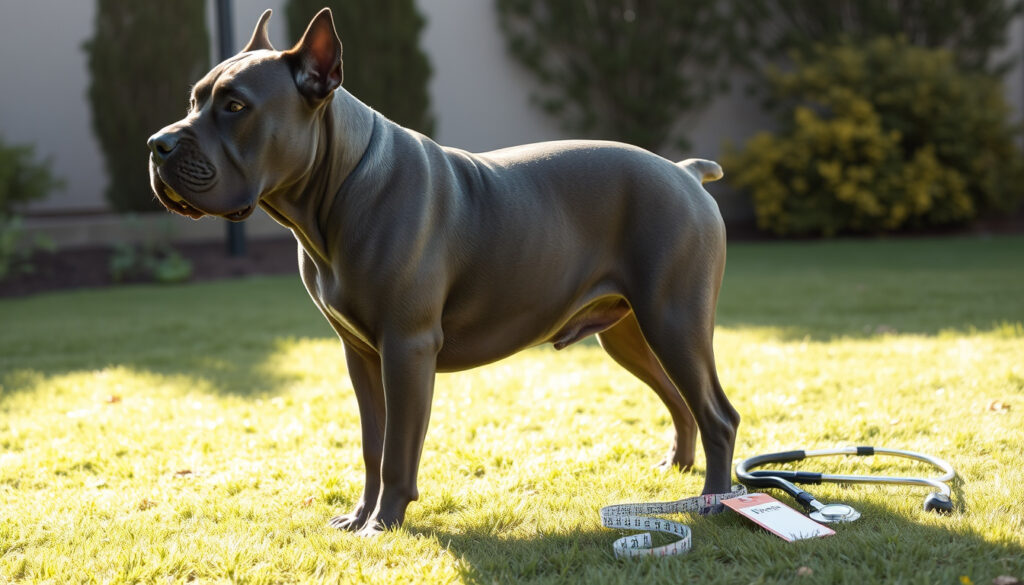
Cane Corso – Temperament, Size, Price, and Health Guide
The Cane Corso is a large, muscular Italian mastiff-type working dog known for its loyalty, protectiveness, and serious temperament. Originally bred as a Roman war dog, this breed has evolved into a devoted family guardian. Prospective owners must understand its size, exercise demands, health risks, and significant price range before committing to this powerful companion.
Males typically stand 25–27.5 inches at the shoulder and weigh 100–110 pounds, while females are slightly smaller at 23.5–26 inches and 88–100 pounds. Life expectancy is around 9–12 years, and puppies from reputable breeders cost between $1,500 and $5,000 or more depending on lineage and health testing.
This guide answers the most common questions about the breed, including temperament, size, price, health, and how it compares to similar mastiffs like the Presa Canario.
Cane Corso Temperament: Protective, Loyal, and Assertive
Protective, loyal, assertive
Male 25–28 in, 100–120 lbs
$1,500 – $4,000+
9–12 years
- Cane Corsos are not inherently aggressive but are strong-willed guardians requiring experienced ownership.
- Daily exercise needs: at least 2 hours of activity to prevent behavioral issues.
- Price varies significantly: show-quality lines cost more than pet-quality.
- Common health concerns: hip/elbow dysplasia, bloat, eyelid abnormalities.
- Bite force estimated at 500–700 PSI, making them powerful protectors.
- Comparisons with Presa Canario often confuse buyers; key differences in build and temperament exist.
| Attribute | Detail |
|---|---|
| Breed Group | Working |
| Recognized By | AKC (since 2010), FCI, UKC |
| Origin | Italy – descended from Roman war dogs (Canis Pugnax) |
| Height (Male) | 25–27.5 in |
| Height (Female) | 23.5–26 in |
| Weight (Male) | 100–120 lbs |
| Weight (Female) | 90–110 lbs |
| Coat Colors | Black, brindle, fawn, gray, red; often with white markings |
| Temperament | Alert, confident, loyal, protective |
| Energy Level | Moderate to high |
| Shedding | Seasonal moderate |
| Life Span | 9–12 years |
| Common Health Issues | Hip dysplasia, elbow dysplasia, bloat (GDV), entropion |
Exercise Requirements
The Cane Corso is a working breed that needs substantial daily activity and mental engagement. The PDSA recommends at least 2 hours per day. This should include a mix of long walks, structured play, training sessions, and controlled socialization rather than only free running.
Cane Corsos are often described as “serious and sensitive” — they bond closely with family but are not typically easygoing. Early socialization and consistent, positive training are essential to manage their strong protective instincts.
Cane Corso Size, Weight, and Physical Appearance
Standard Size and Weight
Adult height is generally 23 to 28 inches at the shoulder. Males are larger, typically 100–110 pounds, while females range from 88–100 pounds. Some sources note that males may exceed 120 pounds.
Coat Colors
Common colors include black, brindle, fawn, gray, and red, often with white markings on the chest and paws. The breed has a short, dense double coat that sheds seasonally.
Bite Force and Muscular Build
While no official measurement exists, estimates place the Cane Corso’s bite force between 500 and 700 PSI. Their powerful jaw and muscular frame make them effective protectors.
Common Health Issues
Frequently mentioned health concerns include hip dysplasia, elbow dysplasia, bloat (gastric dilatation volvulus), and eye problems such as entropion and cherry eye. Hypothyroidism, epilepsy, patellar luxation, and ear infections are also reported.
The Orthopedic Foundation for Animals (OFA) keeps health databases for hip and elbow evaluations. Reputable breeders provide OFA clearance reports for their breeding stock.
Cane Corso Price and How to Find Puppies for Sale
Price Range and Factors
Prices for puppies from reputable breeders commonly range from $1,500 to $3,000, with averages around $3,050. Show-quality or top-pedigree dogs can reach $5,000 or more. The difference reflects breeder reputation, health testing, and lineage.
Finding Reputable Breeders
Look for breeders who perform health clearances for hips, elbows, eyes, and thyroid. The AKC and Italian Kennel Club (ENCI) provide breeder directories. Avoid sellers who cannot show health certificates or who have multiple litters available at once.
Adoption and Rescue
Cane Corso rescue organizations exist in many countries. Adoption costs are lower — typically a few hundred dollars — and the dog often comes vaccinated, spayed/neutered, and behaviorally assessed.
Beyond the purchase price, owners should budget for high-quality food, veterinary care, pet insurance, training, and equipment. Annual costs for a large breed like the Cane Corso can exceed $2,000.
Comparing the Cane Corso to the Presa Canario and Other Mastiffs
| Feature | Cane Corso | Presa Canario |
|---|---|---|
| Origin | Italy | Canary Islands, Spain |
| Traditional role | Guarding, farm work, hunting | Livestock guarding, guarding, working dog |
| Typical temperament | Loyal, serious, sensitive, protective | Confident, steady, territorial, protective |
| Size | About 23–28 in; 88–110+ lb | Usually heavier and broader; often 22–26 in, 84–110+ lb |
| Exercise | High; needs daily structured activity | High; also needs daily exercise and firm handling |
| Training needs | Early socialization and consistent training essential | Also requires early socialization, structure, and experienced handling |
| Owner fit | Best for experienced owners | Best for experienced owners with strong handling skills |
Both are large guardian-type mastiffs, but the Cane Corso is often considered more refined in build and more suited as a family guardian, while the Presa Canario is viewed as heavier and more territorial. Cane Corso mixes exist, but temperament and size are unpredictable.
Cane Corso Breed History: From Roman War Dog to Modern Companion
- Ancient Rome: Descended from Canis Pugnax (Roman war dogs) used in battle and arena.
- Middle Ages: Used as estate guardians, boar hunters, and cattle drovers in Italy.
- 20th Century: Nearly extinct after WWII; revived by Italian enthusiasts in the 1970s.
- 1988: First breed standard published by the Italian Kennel Club (ENCI).
- 2010: AKC recognized the Cane Corso as a member of the Working Group.
- 2020s: Gained popularity worldwide; still relatively rare compared to other mastiffs.
What Do We Know and What Remains Unclear About the Cane Corso?
| Established Information | Information That Remains Unclear |
|---|---|
| Cane Corso is a mastiff-type breed from Italy. | Exact bite force PSI is not officially measured; estimates range from 500–700 PSI. |
| Requires daily exercise of about 2 hours. | Price varies widely; no official average, but market data suggests $1,500–$4,000. |
| Temperament is protective but not inherently aggressive when properly socialized. | Aggression risk is debated; experts emphasize training and socialization over breed predisposition. |
Understanding the Cane Corso’s Place in the Modern Dog World
The Cane Corso has grown in popularity as a family protection dog, leading to increased demand and potential overbreeding. Top search results reflect a mix of authoritative sources (AKC, Wikipedia) and commercial breeder pages. Gaps exist in practical cost breakdown, bite force data, and detailed comparisons with similar breeds like the Presa Canario. Owners should prioritize health testing and early socialization to mitigate common issues.
Because of their high exercise needs, owners may find a hiking guide like Cadair Idris – Complete Hiking Guide useful for planning outdoor activities with an active dog.
What Authoritative Sources Say About the Cane Corso
The AKC describes the Cane Corso as ‘smart, trainable, and of noble bearing, the assertive and confident Cane Corso is a peerless protector.’
American Kennel Club
PDSA notes ‘Cane Corsos are a Mastiff type breed of dog, thought to have originally descended from a Roman war dog.’
PDSA UK
Wikipedia states ‘The Cane Corso is an Italian breed of mastiff. It is usually kept as a companion dog or guard dog; it may also be used to protect livestock.’
Wikipedia
Next Steps for Prospective Cane Corso Owners
If you are considering adding a Cane Corso to your family, here are key actions to take:
- Research reputable breeders (ask for health clearances).
- Prepare for high exercise commitment (minimum 2 hours daily).
- Invest in professional obedience training early.
- Consider pet insurance due to potential health issues.
- Check local regulations (some areas restrict ownership of large guarding breeds).
For creative owners who enjoy illustrating their pets, a simple drawing tutorial such as Cute Drawings – Easy Step-by-Step Guide for Beginners can be a fun way to capture your Cane Corso’s likeness.
Frequently Asked Questions About the Cane Corso
Are Cane Corsos good with children?
With proper socialization, Cane Corsos can be gentle with children, but supervision is essential due to their size and strength.
Do Cane Corsos shed a lot?
They have a short double coat and shed moderately seasonally; regular brushing helps manage shedding.
How much does a Cane Corso eat per day?
Adult Cane Corsos typically need 4-6 cups of high-quality dry food daily, split into two meals.
Is a Cane Corso easy to train?
They are intelligent but stubborn; consistent, positive reinforcement training from puppyhood is recommended.
What is the Cane Corso bite force?
While not officially measured, estimates place their bite force between 500 and 700 PSI.
More related posts
 Diego Luna – Actor and Soccer Player Disambiguation Guide
 Barbara Hepworth – Life, Death, and the Museum in St Ives
 Ricky Hatton – Coroner’s Narrative Verdict: Cause of Death, CTE, and Boxing Legacy
 Paint Shop Near Me – Best Local Paint Stores and Auto Body Shops
 Rudyard Kipling – Biography, Poems and Complete Guide
 Donna Summer – Biography, Cause of Death, and Musical Legacy
 Lord Voldemort – Real Name, Horcruxes, Wand and Actor
 Daily Mail Unique Numbers – Troubleshooting, Login & Entry Guide
