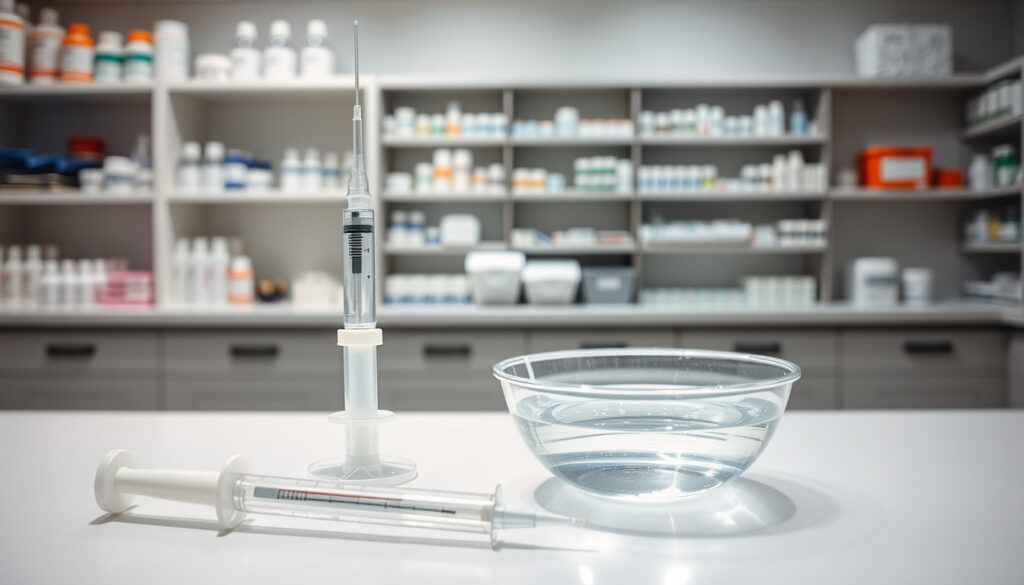
Ear Syringing Near Me – Boots, Specsavers & NHS Guide
Ear wax buildup affects millions of people in the UK, and finding reliable ear syringing services nearby can make a significant difference to comfort and hearing health. Whether you’re searching for a high street pharmacy, a specialist audiologist, or NHS walk-in options, understanding your choices helps you access the right care without unnecessary delays.
Multiple providers now offer professional ear wax removal across the country, ranging from major retail chains like Boots and Specsavers to NHS clinics and independent pharmacies. The techniques have evolved considerably, with microsuction becoming the preferred method among ENT specialists due to its safety profile compared to traditional water syringing.
This guide brings together the key information you need to locate ear syringing and wax removal services near you, compare costs between providers, and understand what to expect from your appointment.
Where to Get Ear Syringing Near Me
Finding ear wax removal services has become increasingly straightforward, with options available across most UK towns and cities. The choice typically comes down to four main categories of providers, each with distinct advantages regarding cost, availability, and the techniques they employ.
High street opticians and pharmacies offer the most convenient access to ear wax removal. Boots and Specsavers collectively operate over 400 hearing care stores nationwide, making professional microsuction widely accessible without needing a GP referral.
Boots Hearingcare and Specsavers offer microsuction at 200+ combined locations with transparent pricing
Free treatment via GP referral to ENT departments or community clinics, though appointments may take longer
Walk-in availability at Superdrug, LloydsPharmacy and smaller chains, with varying techniques and prices
ENT-led clinics offering manual removal and microsuction, typically at higher cost but with specialist expertise
- Microsuction costs between £49.50 and £100 per ear depending on provider and location
- Boots and Specsavers offer free initial hearing assessments alongside wax removal
- NHS treatment is free but requires a GP referral in most areas
- Walk-in appointments are most commonly available at pharmacy chains rather than opticians
- Traditional ear syringing is now discouraged by NHS guidelines due to perforation risks
- Store locators on provider websites allow postcode-based searches for nearby services
- Avoid using cotton buds at home—they tend to push wax deeper into the ear canal
| Provider | Primary Method | Cost per Ear | Booking |
|---|---|---|---|
| Boots Hearingcare | Microsuction | £60 | Online or in-store |
| Specsavers | Microsuction | £49.50–£65 | Online or walk-in |
| NHS via GP | Microsuction/Irrigation | Free | GP referral required |
| Superdrug/Lloyds | Irrigation | £40–£60 | Walk-in or book |
| Private ENT Clinics | Microsuction/Manual | £60–£100 | Online booking |
Boots Ear Wax Removal and Syringing Services
Boots Hearingcare represents one of the largest dedicated ear care networks in the UK, operating from over 200 stores across England, Scotland, Wales, and Northern Ireland. Their approach to ear wax removal has shifted decisively towards microsuction, moving away from traditional syringing methods that carry higher complication risks.
Boots Microsuction Treatment
The microsuction procedure at Boots involves a trained audiologist using a microscope to visualise the ear canal while gently suctioning excess wax. This dry technique eliminates the moisture associated with traditional syringing and allows for precise removal without contact with the eardrum. Treatment costs £60 per ear, and patients can book through the Boots website or attend free initial consultations to determine whether microsuction is appropriate.
Availability and Appointment Options
Boots stores offering hearing care services can be located using the store finder on Boots.co.uk, where postcode searches reveal nearest branches and available appointment slots. Walk-in availability varies by location, and some stores offer extended evening or weekend appointments. The free initial hearing assessment provides an opportunity to discuss symptoms and receive professional guidance on whether ear wax removal is necessary.
Boots no longer promotes ear syringing due to documented risks including eardrum perforation, infection, and vertigo. Microsuction is the standard technique offered across all Boots Hearingcare locations.
Specsavers Ear Wax Removal Options
Specsavers has established ear wax removal as a core hearing care service across the majority of its UK stores. Their audiologists are trained in microsuction techniques, and the company offers competitive pricing alongside free initial assessments that distinguish their offering from other providers.
Specsavers Pricing Structure
Treatment at Specsavers costs between £49.50 and £65 for a single ear, with bilateral treatment (both ears) available at £80–£100. The free initial check allows patients to understand the extent of wax buildup before committing to treatment, and booking can be completed online or through telephone contact with local stores.
Walk-In Appointments
While Specsavers encourages advance booking to guarantee appointment times, walk-in patients are accommodated where store capacity allows. The availability of walk-in slots varies significantly by location and time of day, making telephone enquiry or online booking the most reliable approaches for those seeking same-day service.
NHS Ear Syringing Walk-In Near Me
The NHS provides free ear wax removal for eligible patients, though accessing this service requires navigation of the referral system rather than simple walk-in attendance. Understanding the NHS pathway helps patients determine whether this route is appropriate for their situation.
GP Referral Pathway
NHS ear wax removal is typically accessed through a GP referral to ENT departments or community ear clinics. GPs assess whether treatment is clinically indicated and refer patients to the most appropriate service based on individual circumstances. This pathway is free at the point of use but may involve waiting times depending on local service capacity.
NHS Treatment Techniques
The NHS employs microsuction as the gold standard for ear wax removal, though irrigation remains available for patients considered low-risk after clinical assessment. The use of microsuction reflects guidance from the National Institute for Health and Care Excellence (NICE) and the British Academy of Audiology (BAA), both of which recommend suction methods over water irrigation due to lower complication rates.
True walk-in NHS ear wax removal is rare. Patients should contact NHS 111 or their registered GP to discuss options and obtain appropriate referrals rather than attending hospitals or clinics without prior arrangement.
Free Treatment Eligibility
NHS ear wax removal is available without charge for patients registered with a UK GP. The service forms part of NHS community audiology provision, though availability varies across different regions and clinical commissioning groups. Patients experiencing sudden hearing loss, pain, or signs of infection may receive priority access through urgent referral pathways.
Understanding Ear Wax Removal Techniques
Professional ear wax removal encompasses several distinct techniques, each with specific applications, benefits, and limitations. Understanding these methods helps patients make informed decisions when discussing options with providers.
Ear Syringing and Irrigation
Ear syringing, also known as irrigation or lavage, involves introducing warm water into the ear canal to flush out accumulated wax. This traditional method remains available at some pharmacies but has declined in popularity following NHS guidance advising against routine use. Risks include eardrum perforation, external ear infections, and temporary vertigo.
Microsuction
Microsuction uses a thin surgical suction tube under microscopic visualisation to remove wax without introducing moisture. The technique allows audiologists to see precisely what they are doing, minimising contact with sensitive structures. Recovery time is immediate, and the dry nature of the procedure eliminates risks associated with retained water in the ear canal.
Manual Removal
For particularly stubborn or impacted wax, specialists may employ instruments such as loops or forceps under direct visualisation. This technique requires significant expertise and is typically reserved for cases where microsuction proves insufficient or when wax has hardened significantly.
Cost Comparison Across Providers
Private ear wax removal costs vary considerably depending on the provider, technique employed, and geographic location. Patients should consider both per-ear pricing and the potential need for bilateral treatment when budgeting for this service.
- Boots Hearingcare: £60 per ear for microsuction
- Specsavers: £49.50–£65 per ear; £80–£100 for both ears
- Private pharmacies (Superdrug, LloydsPharmacy): £40–£60 for irrigation
- Private ENT clinics: £50–£100 per ear depending on technique
- NHS: Free with valid GP referral
Many providers offer free initial consultations that include hearing assessments alongside wax evaluation. These assessments provide valuable baseline information about ear health regardless of whether treatment is subsequently required.
What Is Ear Syringing and When Is It Needed
Ear wax, medically termed cerumen, serves important protective functions within the ear canal, trapping dust and particles while maintaining appropriate moisture levels. However, natural production rates vary significantly between individuals, and excess buildup can cause hearing difficulties, discomfort, tinnitus, and occasionally infections.
Symptoms suggesting professional wax removal may be beneficial include muffled hearing that worsens gradually, a sensation of fullness in the ears, ringing sounds (tinnitus), or pain. Those experiencing sudden hearing loss, severe pain, discharge, or bleeding should seek urgent medical attention rather than assuming wax is the cause.
Healthcare professionals recommend against attempting wax removal at home using cotton buds, hairpins, or improvised tools. These objects frequently push wax deeper into the canal and risk damaging the eardrum or causing abrasions that lead to infection.
Certainty and Limitations in Available Services
While ear wax removal services are widely available across the UK, several factors introduce uncertainty for patients seeking immediate care.
| Established Information | Elements of Uncertainty |
|---|---|
| Boots and Specsavers offer microsuction at listed prices | Walk-in availability varies day-to-day at individual stores |
| NHS provides free treatment via GP referral | Wait times differ significantly between regions |
| Microsuction is the recommended technique per NICE guidance | Individual store capabilities may not always be current |
| Traditional syringing carries higher complication risks | Some pharmacies still offer irrigation despite guidance |
How to Find Ear Wax Removal Services Near You
Locating nearby ear wax removal services requires systematic searching through provider databases and, where applicable, NHS pathways. The most effective approach combines online tools with direct contact to confirm availability.
Provider websites including Boots.co.uk and Specsavers.co.uk feature store locators that identify nearest branches offering hearing care services. Entering a postcode reveals branches sorted by distance, along with contact details and sometimes real-time appointment availability. For NHS services, contacting a registered GP remains the primary gateway to free treatment.
Third-party platforms such as WhatClinic aggregate information about private providers across the UK, allowing postcode searches that return multiple options with pricing and patient reviews. The NHS app also provides some functionality for locating registered services within the health system.
Professional Guidance and Sources
Professional bodies and health authorities have issued clear guidance on ear wax removal best practices. The National Institute for Health and Care Excellence (NICE) and the British Academy of Audiology (BAA) both advocate microsuction as the preferred technique, citing evidence of superior safety profiles compared to irrigation methods.
Microsuction represents the gold standard for ear wax removal, offering precision and safety that traditional syringing cannot match. Patients should be advised of this option when considering professional treatment.
— NICE/BAA guidance on ear wax management
The NHS website provides comprehensive information about ear wax buildup and treatment options, serving as a reliable starting point for patients seeking to understand their condition before pursuing treatment. This resource emphasises that most people do not require routine wax removal, though certain individuals—including those wearing hearing aids, people with narrow ear canals, and those with particularly viscous wax—may benefit from regular maintenance.
Summary and Next Steps
Ear wax removal services are accessible across the UK through multiple channels, ranging from free NHS treatment requiring GP referral to private microsuction at high street providers. Microsuction has become the preferred technique among professionals, offering safer outcomes than traditional syringing despite higher costs at private providers. Patients should use provider store locators to identify nearby options, book consultations where offered free of charge, and pursue GP referral for NHS treatment if cost-free service is preferred.
For those experiencing concerning symptoms such as sudden hearing loss, pain, or discharge, immediate medical attention through GP services or NHS 111 should be sought before assuming wax is the cause.
How do I book a Boots ear wax removal appointment?
Appointments can be booked through the Boots website using their store locator to find nearest branches, or by telephoning individual stores directly. Free initial consultations allow assessment before committing to paid treatment.
Is there free ear wax removal near me?
The NHS provides free ear wax removal for patients with a GP referral. Contact your registered GP to discuss whether treatment is appropriate and request referral to local ENT or community ear clinics.
What is the safest method for ear wax removal?
Microsuction is considered the safest professional method according to NICE and British Academy of Audiology guidance. It uses gentle suction under microscopic visualisation without introducing moisture into the ear canal.
Can I get ear wax removed at a pharmacy without booking?
Some pharmacies including Superdrug and LloydsPharmacy accept walk-in patients for ear wax removal, though appointment booking is recommended to guarantee service availability.
How much does microsuction cost at private providers?
Private microsuction typically costs between £50 and £100 per ear. Boots charges £60, while Specsavers ranges from £49.50 to £65 for single-ear treatment, with bilateral treatment available at reduced per-ear rates.
Does the NHS still offer ear syringing?
The NHS increasingly prioritises microsuction over irrigation due to safety concerns. Some NHS services may still offer irrigation for low-risk patients, but microsuction has become the standard technique in most regions.
Should I use cotton buds to remove ear wax at home?
Healthcare professionals advise against using cotton buds, which typically push wax deeper into the ear canal and risk eardrum damage. Olive oil drops can soften wax at home, but professional removal is recommended for significant blockages.
More related posts
 Mean Girls West End – Cast Reviews Tickets and UK Tour
 John Lithgow – Biography, Movies, Net Worth and Harry Potter Rumors
 Lord Voldemort – Real Name, Horcruxes, Wand and Actor
 Bruce Wayne – Biography, Net Worth and Movie Guide
 Andrea McLean – Biography, Health Crisis, Net Worth and New Book
 Donna Summer – Biography, Cause of Death, and Musical Legacy
 Rebecca Zamolo – Biography Net Worth and YouTube Career
 Lost Cherry Tom Ford – 2025 Prices, Dupes & UK Guide
