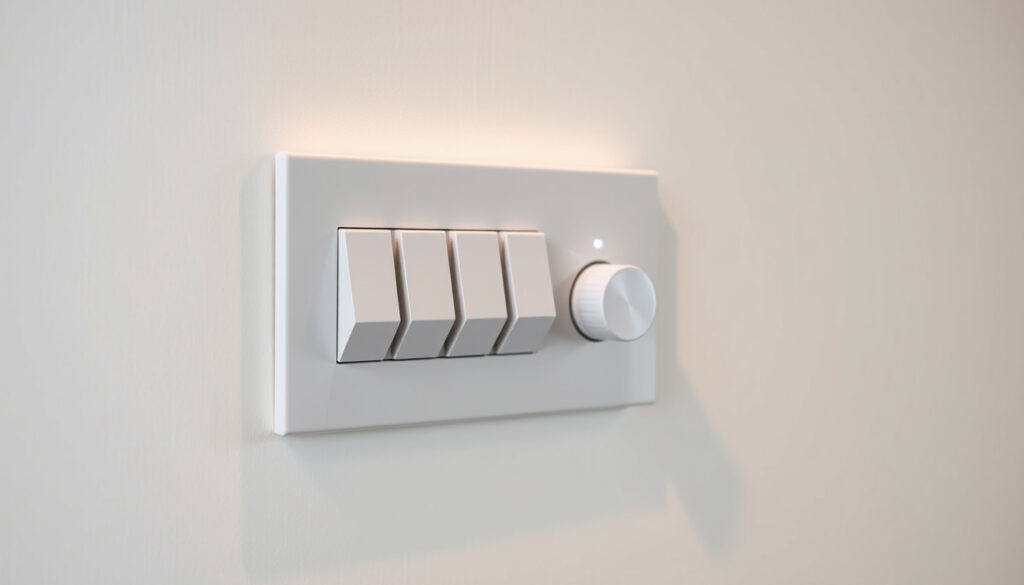
Light Switches – The UK Buyer’s Guide for 2025
Choosing a light switch in the UK is no longer a simple trip to the hardware aisle. Over the past decade, the humble switch has evolved into a design statement, with finishes ranging from brushed brass to matt black and mechanisms that include dimmers, toggles, and smart controllers. For homeowners planning a renovation in 2025, the decision involves balancing aesthetics, electrical compliance, and practical room-by-room needs.
Buying guides from UK sources such as Homebuilding & Renovating and Ideal Home emphasise that the best switch for a given home depends on switch type, room use, finish, and compatibility with the lighting system. UK electrical safety requirements, particularly BS 7671, add another layer that cannot be ignored.
The shortest practical rule, according to multiple guides, is to choose the right mechanism for the room, then match the finish to the rest of the hardware, and ensure installation is carried out by a competent electrician where required.
What are the best decorative light switches UK?
The answer depends on budget, design preference, and the scope of the project. The UK market splits into three clear tiers, and each serves a different type of buyer. Below is a comparison of the top suppliers.
Best for Budget
Screwfix / B&Q – Wide range, trusted returns, solid quality from known brands (MK, BG, Click).
Best for Mid-Range Design
RS Electrical Supplies – Decorative options without the luxury price tag, good stock of toggle and wide profiles.
Best for Premium/Luxury
Buster + Punch / Swtch.co.uk – Designer finishes, solid brass, high-end interior compatibility.
Best for Specialist Range
The Switch Depot – Extensive collection, dimmers, sockets, data ports, good for full-home fit-out.
Key insights from the research and buying guides help narrow the choice further:
- Price does not always equal quality: mid-range brands like MK (sold through Screwfix) often outlast cheaper decorative imports.
- Metal switches require a faceplate earth connection, which plastic switches do not.
- Toggle switches are trending in UK interior design for 2025, replacing older rocker styles in contemporary homes.
- Dimmer switches need to be matched to the lighting type (LED, halogen, filament) for proper performance.
- Most decorative light switches use standard UK 25mm back boxes, but wide or deep designs may require deeper boxes.
- Finish consistency across the home is increasingly a priority for buyers during renovation planning.
- Smart switches are gaining traction, but guides still advise checking wiring requirements and network reliability before committing.
| Attribute | Value |
|---|---|
| Standard box depth required | 25mm (standard), 35mm (for dimmers or large backplates) |
| Common finishes (2025) | Matt black, brushed brass, satin chrome, antique brass, white, bronze |
| Profile types | Flat plate, raised plate, toggle, wide rocker, slim rocker, dimmer slider |
| UK voltage | 230V – all decorative switches must be UKCA/CE marked |
| Top brand categories | Budget (Screwfix home brands), Mid (MK, Click, Varilight), Premium (Buster+Punch, Swtch, Forbes & Lomax) |
| Metal switch earth requirement | Yes – faceplate must be connected to circuit protective conductor |
| Dimmer compatibility | Must match bulb type: trailing-edge for LED, leading-edge for halogen/filament |
| Bathroom IP rating recommended | IP44 or higher |
| Outdoor IP rating recommended | IP65 or higher |
| Warranty (premium range example) | 10-year mechanism warranty (Buster + Punch solid brass) |
Where can I buy modern light switches and sockets in the UK?
UK buyers have a wide choice of retailers, from high-street giants to specialist online brands. The best option depends on whether you prioritise price, range, or design curation.
Screwfix and B&Q: the high-street heavyweights
Screwfix offers a heavily filtered e-commerce experience with categories by brand, finish, gang size, and profile. The tone is transactional and utility-focused, but trust is high due to brand recognition, visible reviews, and stock levels shown in real time. The MK Logic Plus range, for example, consistently scores above 4.5 stars from thousands of reviews. B&Q provides a similar proposition with a slightly broader homeware audience. Neither retailer offers extensive design guidance on their category pages, making them better suited to buyers who already know what they need.
RS Electrical Supplies and The Switch Depot: specialist breadth
RS Electrical Supplies positions itself in the mid-range decorative segment, offering toggle and wide-profile switches without the luxury markup. The Switch Depot carries a broader catalogue that includes dimmers, sockets, and data ports, making it a practical choice for whole-home fit-outs. Both carry stock from established UK-compliant brands and provide technical specifications clearly.
Buster + Punch and Swtch.co.uk: design-first brands
Buster + Punch operates at the luxury end of the market, with solid machined brass, beveled edges, and a 10-year warranty on the mechanism. Swtch.co.uk describes its products as “crafted for the feel of every flick,” with a minimalist, design-forward identity. These brands are best suited to projects where the switch is intended as a visible design feature. Pricing is significantly higher, and buyers should verify compatibility with standard UK back boxes before ordering.
Start with a room-by-room list of what each switch must do. Choose the correct switching type first (1-way, 2-way, intermediate), then pick a finish you can repeat across the home. Confirm dimmer, LED, IP, and installation requirements before ordering. Keep spare plates or common finishes in mind for future repairs or additions.
What is the difference between toggle, wide, and slim light switches?
The mechanism profile affects both the look and the feel of a switch. Understanding the differences helps avoid a mismatch between the switch style and the room’s design.
Toggle switches
Toggle switches are often chosen for a classic or period look. They project further from the wall than rocker styles and are frequently placed by doors for quick on/off control. Guides from Elle Decoration note that toggle switches are experiencing a revival in UK interiors for 2025, appearing in both traditional and contemporary settings.
Rocker and wide profile switches
Rocker switches give a more modern, flatter appearance and are widely used in contemporary interiors. Wide profile variants offer a larger surface area, which some users find easier to operate. Screwless or slimline plates are popular for a cleaner wall finish, though they may require a deeper back box depending on the mechanism.
Dimmer switches
Dimmers are preferred where ambience matters, such as bedrooms, living rooms, and dining areas. They work by cutting the voltage delivered to the light source. For LED bulbs, a trailing-edge LED-compatible dimmer is required. Filament and halogen bulbs work with leading-edge dimmers. Incorrect pairing can cause flickering, buzzing, or reduced bulb life.
2-way and intermediate switching
A 2-way switch allows a single light to be controlled from two locations, such as at the top and bottom of a staircase. Intermediate switching extends this to three or more locations. These are essential for hallways, corridors, and any room with multiple entrances.
Not every dimmer works with every lamp or driver. Verify compatibility with your lighting system, especially with LEDs and dimmers, before making a purchase. Wide or deep decorative designs may also require a 35mm back box instead of the standard 25mm.
How do I choose light switches that match my interior design?
Selecting a switch finish is increasingly treated as part of the broader interior scheme. UK buyers in 2025 are paying close attention to finish consistency, screwless plates, and how the switch complements other hardware in the room.
Finish options for metal light switches
Luxury finishes commonly mentioned in UK decorative ranges include brushed brass, satin brass, antique brass, matt black, chrome, nickel, copper, and bronze variants. Traditional interiors often suit brass or antique-style finishes, while modern spaces tend to use matt black, chrome, or minimalist plates. Matching switch finishes to door handles, taps, and sockets creates a coordinated look.
Room-by-room guidance
Living rooms and bedrooms benefit from dimmers for flexible lighting levels. Kitchens and hallways are better served by simpler switches in durable finishes, as these spaces are brighter and more high-traffic. For stairs and corridors, 2-way or multi-location switching is essential. Bathrooms and outdoor locations require checking the IP rating: IP44 or higher for bathrooms, IP65 or higher for outdoor installations.
Can you mix and match brands?
Mixing antique sockets with modern switches is possible, but the visual result depends on how well the finishes coordinate. Some guides note that if walls are uneven or older, choosing a plate style that hides imperfections more effectively may be preferable to a slimline design.
Metal faceplates must be connected to the circuit protective conductor (earth). This is a requirement under UK wiring regulations (BS 7671). If you are not confident with electrical wiring, hire a qualified electrician. UK regulations (Part P) require notifiable work to be certified.
How have light switches evolved in UK homes?
The timeline below traces the shift from purely functional hardware to a design-conscious category.
- Pre-2000s: Standard white plastic rocker switches dominate UK homes.
- 2000-2015: Brass and chrome finishes appear; dimmers become common in living rooms.
- 2015-2020: Flat plate metal switches gain popularity; Instagram and interior blogs drive design awareness.
- 2020-2023: Toggle-style revival; smart switch integration begins to compete with traditional decorative.
- 2024-2025: New brands (Swtch) emerge; focus on tactile feel and minimalist design; screwless clip-on plates increase.
What is certain and what remains unclear about light switches?
Some aspects of choosing and installing light switches are well established, while others depend on context and individual experience.
| Established information | Information that remains unclear |
|---|---|
| All UK electrical switches sold legally must meet UKCA or CE standards. | Whether premium switches significantly outlast budget switches is contested; testimonials vary. |
| Metal switches require a faceplate earth connection for safety. | Compatibility of decorative smart switches with all UK wiring configurations is not guaranteed. |
| Dimmers must be LED-compatible for modern bulbs. | Long-term finish durability (especially brass vs lacquered brass) depends on usage and environment. |
| Standard UK back boxes are 25mm deep; deeper boxes are needed for many dimmers or large designs. |
Why has the UK light switch market changed so significantly?
The UK light switch market has shifted from pure utility to a design accessory category. Brands like Buster + Punch have elevated switches to statement pieces, while traditional retailers such as Screwfix and B&Q still dominate the high-volume budget and mid-range segments. The gap between cheap plastic, mass-produced switches and premium metal, solid brass, designer finishes is substantial. However, the market lacks a clear independent resource that helps users decide which tier matches their home and budget.
For most UK homeowners, mid-range decorative switches from RS Electrical Supplies or The Switch Depot represent the best value-to-design ratio. These offer high-quality finishes with standard gang sizes and genuine compliance. Premium brands are only justified where interior design is the primary driver, or where specific finishes, such as solid brass or a particular toggle shape, are unavailable elsewhere. The most common mistake, according to the research, is buying metal switches without checking box depth or forgetting to earth metal faceplates.
What do the manufacturers and standards say?
Technical specifications from brands and safety bodies provide the factual backbone for any buying decision.
“Solid machined brass with beveled edges, 10-year warranty on mechanism.”
Buster + Punch product listing
“Crafted for the feel of every flick.”
Swtch.co.uk homepage
“Metal faceplates must be connected to the circuit protective conductor.”
UK Electrical Safety Standard (BS 7671)
Screwfix product pages for the MK Logic Plus range, which carries a 4.6/5 star rating from over 2,400 reviews, demonstrate the strong performance of mid-range options in the mass market.
What should you take away from this guide?
Choosing a decorative light switch in the UK comes down to three steps: decide what each switch needs to do, pick a finish that works across the home, and confirm compliance with UK electrical standards. Mid-range suppliers offer the best balance of quality and cost for most projects, while premium brands are worth considering when design is the priority. For a deeper look at specific product recommendations, see this light switches: our pick of the best guide from Ideal Home, or consult the detailed light switch buying guide for technical specifications.
Frequently Asked Questions about Light Switches
Do all decorative light switches fit UK standard back boxes?
Not always. Many wider-profile or dimmer switches require a 35mm deep back box. Always check the manufacturer specification before buying.
Can I use a dimmer switch with any light bulb?
No. Dimmer switches must be matched to the bulb type. For LED bulbs, you need a trailing-edge LED-compatible dimmer. Filament and halogen bulbs work with leading-edge dimmers.
Is it safe to fit a metal light switch myself?
Metal switches require an earth connection to the faceplate. If you are not confident with electrical wiring, hire a qualified electrician. UK regulations (Part P) require notifiable work to be certified.
Which brand is most reliable for UK light switches?
MK (sold widely via Screwfix) is consistently rated highest for reliability and value. For design-focused brands, Buster + Punch receives strong reviews for build quality.
What is the difference between a 1-gang and 2-gang switch?
A 1-gang switch controls one light (or one circuit), while a 2-gang switch controls two separate lights from the same faceplate.
What is the difference between 2-way and 3-way light switches?
A 2-way switch controls a light from two locations. A 3-way (intermediate) switch adds a third control point, allowing control from three or more locations such as long hallways or staircases.
Are smart light switches compatible with all homes?
Not always. Compatibility depends on wiring configuration, neutral wire availability, and network reliability. Check the manufacturer specifications before purchasing.
Can I mix and match different brands of switches and sockets?
Yes, but finishes may not match exactly between brands. For a coordinated look, choose a consistent finish across all hardware in the same room.
What IP rating do I need for a bathroom light switch?
Bathrooms require IP44 or higher for protection against moisture and dust. Outdoor installations typically need IP65 or higher.
Do expensive switches last longer than budget alternatives?
Not necessarily. Mid-range brands like MK often outlast cheaper decorative imports. Premium switches offer better materials and finish quality but lifespan depends on usage and environment.
More related posts
 Petula Clark – Age, Songs, Biography and Current Status 2025
 Toby Carvery Discount Code – Latest Verified Deals
 Daily Mail Unique Numbers – Troubleshooting, Login & Entry Guide
 Ryan Sampson – Verified Biography, Age, Height, and Career
 Blue Peter Presenters – Full List, History and Current Hosts
 Bugs Bunny – History, Memes, and Modern Appearances
 Stephen Graham – Biography, Movies, and Career Facts 2025
 Line of Duty Tommy Hunter – Character Guide and Actor Obituary
