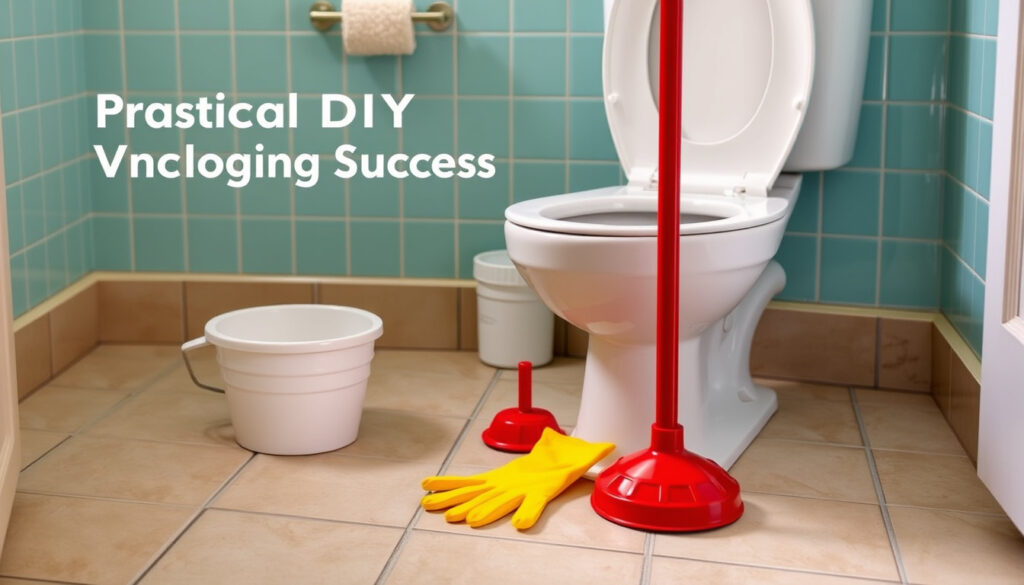
How to Unclog a Toilet – Effective DIY Solutions
A clogged toilet ranks among the most stressful household emergencies. Whether it happens late at night or during a gathering, knowing how to handle the situation can save time, money, and considerable discomfort. This guide covers proven methods ranging from the trusty plunger to improvised solutions when no specialized tools are available.
The approach you choose depends on the severity of the blockage and the tools at hand. Most clogs respond well to basic techniques, while stubborn obstructions may require more creative approaches or professional intervention.
How Do You Unclog a Toilet with a Plunger?
The plunger remains the first line of defense against toilet clogs. Its effectiveness stems from creating hydraulic pressure that dislodges blockages trapped in the drain or trap. A quality plunger with a flange design typically achieves success rates around 80% for standard clogs.
Before attempting any unclogging method, consider turning off the water supply valve located behind the toilet. This prevents potential overflow if the situation worsens during the process.
Key Insights for Effective Plunging
- Ensure the plunger creates a complete seal around the drain opening before plunging
- Use steady, vigorous pumping motions without breaking the seal
- Test the seal by listening for suction sounds and feeling resistance
- If water rises dangerously, stop and wait for it to recede before continuing
- After plunging, test with a small flush rather than a full tank to prevent overflow
- Clean the plunger thoroughly after each use to maintain hygiene
- Replace rubber plungers every six months to year for optimal performance
| Method | Estimated Cost | Time Required | Risk Level | Best For |
|---|---|---|---|---|
| Plunger | $10-15 | 5 minutes | Low | Basic clogs, waste buildup |
| Hot Water + Dish Soap | $0-5 | 15-20 minutes | Low | Minor blockages, organic waste |
| Baking Soda + Vinegar | $2-5 | 30-40 minutes | Low | Natural approach, gradual dissolving |
| Wire Hanger | $0 | Immediate | Medium | Targeted breaking of obstructions |
| Toilet Auger | $20-30 | 15 minutes | Low-Medium | Deep or stubborn clogs |
| Wet/Dry Vacuum | Varies | Seconds | Medium | Removing standing water, solid clogs |
How to Unclog a Toilet Without a Plunger
Situations arise where a plunger is unavailable or proves ineffective. In such cases, several mechanical alternatives can mimic the plunging action using common household items or simple tools. According to Ferguson Home, these methods range from immediate solutions to those requiring patience.
Wire Hanger or Coat Hanger Snake
A straightened wire hanger serves as an improvised drain snake. Wrap one end with a small rag secured by tape to prevent scratching the porcelain. Insert the wrapped end into the drain and gently twist while pushing forward. This motion helps break up or retrieve the obstruction. Once resistance decreases, flush with water to clear remaining debris.
Plastic Bottle Pressure Method
Fill a large plastic bottle with warm water, creating enough pressure to generate force. Insert the open end into the drain while squeezing the bottle firmly. This action generates hydraulic pressure similar to a plunger. Multiple repetitions may be necessary for stubborn clogs.
Cling Film Suction Technique
For this method, ensure the bowl is relatively dry. Cover the entire bowl opening with three layers of cling film, pressing firmly to create an airtight seal. Flush the toilet, which causes the film to balloon upward. Push down on the film to reverse the pressure and dislodge the blockage. This technique works by creating suction and pressure cycles.
Before selecting a method, check whether water is slowly draining or completely blocked. Slow drainage often indicates a partial clog that responds well to chemical or natural methods. Complete blockage may require mechanical intervention.
Natural Ways to Unclog a Toilet at Home
Chemical drain cleaners pose risks to plumbing and health, making natural alternatives attractive for many households. These methods rely on household ingredients and natural reactions to dissolve or dislodge organic blockages.
Hot Water and Dish Soap Method
Pour approximately half a cup of dish soap directly into the bowl. Follow with hot water from waist height, which adds force while the heat works to soften and break down waste. Allow the mixture to sit for 15 to 20 minutes before attempting to flush. The soap acts as a lubricant while the heat accelerates the dissolving process.
Important: Use hot water, not boiling. Boiling water can crack porcelain toilet bowls due to thermal shock.
Baking Soda and Vinegar Reaction
Add one cup of baking soda directly into the bowl, then slowly pour two cups of white vinegar. The combination triggers a fizzing reaction that helps break down organic matter. Allow the mixture to work for 30 minutes, during which the chemical reaction loosens the clog. After the waiting period, add hot water and wait an additional 10 minutes before flushing.
Bath Bombs and DIY Pods
A dissolvable bath bomb or homemade pod containing baking soda, citric acid, and detergent can serve as an unconventional solution. Drop the product into the bowl with hot water and allow it to soak for one to two hours. The extended contact time and effervescent action gradually break down the obstruction.
Never use chemical drain cleaners like Drano in toilets. These products can damage porcelain, harm plumbing seals, and pose safety risks if the toilet overflows while chemicals are present. Natural methods provide safer alternatives with comparable effectiveness for most household clogs.
Enzyme Cleaners for Maintenance
Enzyme-based drain cleaners offer a preventive approach rather than emergency solutions. Monthly treatments using these products help break down organic matter before it accumulates into problematic clogs. These cleaners are particularly useful for households with older plumbing systems sensitive to harsh chemicals.
| Method | Key Items Needed | Time to Wait |
|---|---|---|
| Hot Water + Dish Soap | Dish soap, hot water | 15-20 minutes |
| Baking Soda + Vinegar | Baking soda, vinegar, hot water | 30-40 minutes |
| Wire Hanger | Hanger, rag or tape | Immediate action |
| Plastic Bottle | Plastic bottle, warm water | Repeat as needed |
| Wet/Dry Vacuum | Wet/dry vacuum, towel | Seconds |
How to Use a Toilet Snake or Auger
When plungers and household methods fail, a toilet auger provides the mechanical advantage needed for deep or stubborn clogs. This specialized tool features a long, flexible cable that reaches into the drain beyond the trap to locate and break up obstructions.
Operating a Toilet Auger
Insert the auger cable into the toilet bowl opening, ensuring the rubber boot protects the porcelain from scratches. Rotate the handle clockwise while pushing the cable forward. The rotational motion helps the auger head navigate curves in the drainpipe. When resistance is encountered, continue rotating to either break apart the clog or hook the material for retrieval.
After working the cable through the obstruction, slowly retract the auger while continuing to rotate. Flush the toilet to verify the clog has cleared. Clean the auger thoroughly after use to maintain the tool and prevent lingering odors.
When Hangers Can Substitute
For mild clogs located near the drain opening, a straightened wire hanger offers a cost-free alternative to purchasing an auger. However, this approach has limitations. Hangers cannot navigate the deeper curves of the drain system as effectively, and excessive force risks damaging porcelain or pushing the clog further down the pipe.
After using any mechanical tool in your toilet, sanitize the equipment and allow it to dry completely before storing. Regular maintenance extends tool life and prevents cross-contamination.
When to Call a Plumber for a Clogged Toilet
Not all toilet clogs yield to DIY methods. Recognizing when professional intervention is necessary prevents property damage and ensures the underlying issue receives proper diagnosis.
Common Causes of Toilet Clogs
Toilet clogs typically result from waste buildup, including excessive toilet paper, or foreign objects that obstruct the drain or trap. Non-flushable items such as wipes, sanitary products, toys, and dental floss frequently cause blockages. Fats and oils from bodily waste can also accumulate over time, creating persistent drainage problems.
Warning Signs Requiring Professional Help
- Water overflows despite multiple unclogging attempts
- Clog persists after two or three different methods have been tried
- Water rises to dangerous levels during or after flushing attempts
- Multiple fixtures throughout the home drain slowly or become clogged simultaneously
- Unusual sounds such as gurgling occur in other drains when the toilet flushes
- The clog recurs frequently despite preventive measures
Multiple fixture involvement suggests a main line clog rather than an isolated toilet issue. These situations typically indicate problems in the main drain or sewer line, which require professional equipment and expertise to resolve safely.
Use enzyme cleaners monthly to prevent organic buildup. Avoid flushing anything other than toilet paper and human waste. Keep a basic unclogging kit with gloves, a toilet brush, and baking soda accessible for quick response to minor slowdowns.
Understanding Toilet Clogs: Causes and Context
Toilet clogs represent one of the most common plumbing issues encountered in residential settings. Understanding the mechanisms behind blockages helps homeowners address problems more effectively and prevent future occurrences.
The toilet trap, designed to hold a water seal that prevents sewer gases from entering the home, also creates a natural narrowing point where objects can lodge. When waste or foreign materials exceed what the trap and drain can handle, backups occur. Older plumbing systems with narrower pipes prove particularly susceptible to clogs.
Safety Guidelines for Toilet Unclogging
Always prioritize personal protection and plumbing safety when attempting any unclogging method. The combination of water, plumbing components, and potentially unsanitary conditions requires careful attention to safety protocols.
- Wear disposable gloves to protect against bacteria and pathogens present in standing water
- Use hot water at safe temperatures; boiling water can crack porcelain bowls
- Apply gentle pressure when using wire tools to prevent porcelain scratches
- Never combine chemical drain cleaners with natural methods or each other
- Stand clear of the bowl when pouring hot water to avoid splashes
- Test flush cautiously after unclogging to verify success before normal use
Only wet/dry vacuums are suitable for toilet unclogging. Standard household vacuums lack the design for liquid handling and risk electrical shock or mechanical damage when used with water.
Summary and Next Steps
Most toilet clogs respond to the methods outlined in this guide, from the straightforward plunger approach to improvised solutions using household items. Success depends on matching the method to the severity of the clog and exercising appropriate patience for chemical or natural approaches.
For persistent or recurring clogs, How to Unclog a Toilet Without a Plunger provides additional techniques worth exploring before calling a professional. Regular preventive maintenance using enzyme cleaners and careful attention to what enters the toilet significantly reduces the likelihood of future blockages.
Monitor your plumbing system after resolving a clog. If similar issues arise in other fixtures or the same toilet clogs repeatedly, professional inspection may reveal underlying problems requiring attention beyond simple drain cleaning.
What is the best chemical to unclog a toilet?
Chemical drain cleaners like Drano are not recommended for toilets. They can damage porcelain, harm plumbing seals, and pose safety hazards if overflow occurs. Enzyme-based cleaners or natural methods like baking soda and vinegar provide safer alternatives.
How to unclog a toilet fast?
For fastest results, use a plunger with proper technique—creating a complete seal and using vigorous plunging motions. If no plunger is available, the wire hanger method or plastic bottle pressure technique offer quick alternatives.
How to prevent toilet clogs?
Prevent clogs by using enzyme cleaners monthly, avoiding flushing non-toilet paper items, limiting toilet paper per flush, and keeping basic unclogging tools accessible. Address slow drainage promptly before it worsens.
How much baking soda and vinegar to unclog toilet?
Use one cup of baking soda followed by two cups of white vinegar. Allow the fizzing reaction to work for 30 minutes, then add hot water and wait 10 more minutes before flushing.
What dissolves poop in toilet fast?
Hot water and dish soap work effectively to dissolve organic waste. Pour half a cup of dish soap into the bowl with hot water, allow 15-20 minutes, then flush. The heat softens waste while soap lubricates for easier passage.
How long to wait after plunging toilet?
After plunging, test with a partial flush rather than a full tank. If water drains normally, the clog has likely cleared. If resistance continues, wait a few minutes and attempt plunging again before trying alternative methods.
Is it safe to use Drano in toilet?
No. Drano and similar chemical cleaners are not recommended for toilets. They can damage porcelain, create hazardous conditions if overflow occurs, and may harm plumbing components. Natural methods or mechanical tools provide safer solutions.
Why is my toilet still clogged?
Persistent clogs may indicate a deep obstruction beyond the trap, a problem in the main drain line, or a more serious plumbing issue. If multiple attempts fail or other fixtures are affected, professional inspection is recommended.
More related posts
 Gregg Wallace – Racial Disparities in Traffic Stops and Police Treatment
 Teddy Sheringham – Biography, Net Worth, Career and Current Life
 Euro to Pound Exchange Rate – Live Rates and Converter
 Tyrese Gibson – Biography, Net Worth, Movies and Wife
 Richard Mille Watch Price – Complete Guide for Buyers 2025
 Jason Bateman – Biography, Net Worth, Family & Career
 Gong Yoo – Actor Biography, Age, Height and Best Films
 Download Video from YouTube – Complete Guide for 2025
